

GreenAir’s roundup of the latest news and comment from around the world on efforts to reduce aviation’s climate and environmental impact

NEWS EXTRA
May 2026
Sustainable refining and biofuels technology company Axens has signed a three-year commercial collaboration with US-based SAF producer XCF Global aimed at supporting the market development of Axens’ proprietary HEFA technology, called Vegan. Axens will continue to license its Vegan process worldwide directly to customers, while XCF Global may independently offer project development, construction and operational services, drawing on its experience in developing and operating a commercial Vegan unit in the US.
Turkish engineering firm Altaca has been contracted to supply its CatLiq hydrothermal liquefaction technology to UK startup Firefly for its planned SAF facility, which will use biosolids as a feedstock. Altaca’s technology can convert sewage sludge into crude oil, which Firefly says is a crucial step in the biofuel production process and the final link in its SAF supply chain. The company says it will source raw material for this first project from UK water companies, addressing large-scale waste disposal challenges. Chevron Lummus will provide the technology for downstream refining, with Wizz Air having signed a 15-year offtake for the finished fuel.
At its first international SAF conference in Vietnam, the Asia SAF Association (ASAFA) signed two institutional agreements with state bodies. The first MoU was signed with the Agency for Innovation, Green Transition and Industry Promotion (IGIP), a body under Vietnam’s Ministry and Trade, which establishes a strategic framework covering SAF capacity building, technical knowledge transfer and policy development support. The second was signed with the Da Nang Innovation Startup Support Centre that aims to position Da Nang as a hub for SAF innovation through co-organised events, expert networks and workforce development.
Essar Energy Transition reports it has successfully finished the pre-engineering design phase (Pre-FEED) of its planned SAF facility at the Stanlow refinery in northwest England. The next stage of detailed engineering work is expected to begin later this year, with a final investment decision targeted for 2028. Intended to be one of the UK’s largest SAF production plants, it could produce more than 200,000 tonnes of fuel each year, using around 550,000 tonnes of renewable and bio-based methanol feedstock. The project would be integrated into the existing Stanlow refinery, allowing the fuel to be blended and distributed through existing fuel pipelines and transport systems serving major UK airports.
Future Energy Global (FEG) has completed a SAF environmental attribute transaction with Japanese trading and investment company ITOCHU Corporation. Under the book-and-claim transaction, ITOCHU supplied SAF to an airline at Tokyo Narita Airport and provided the environmental attributes of that fuel to FEG. The transaction was registered on the Assure SAF Registry, a digital inventory management and registry platform operated by 4AIR for tracking, verifying and enabling the transfer and retirement of physical fuel, as well as SAF environmental attributes.
Boeing has procured 20,000 tonnes of permanent carbon dioxide removal through London-based Supercritical after reviewing more than 200 projects worldwide that had been assessed against a 118-point scientific vetting framework for additionality, permanence, measurability and operational readiness. The portfolio consists of six suppliers across Brazil, Bolivia, Namibia and India, spanning both biochar and enhanced rock weathering. The Boeing portfolio includes Exomad Green (Bolivia), Ground Up (India), NetZero (Brazil), InPlanet (Brazil), Varaha (India) and PlanBoo (Namibia). Boeing will apply carbon removal credits to address its residual Scope 3 – category 6 emissions associated with business travel.
Eurocontrol and the European Commission have released an enhanced version of their NEATS platform to help improve monitoring of the non-CO2 climate impacts of aviation. The platform is designed to support the implementation of the EU Emissions Trading System by making it possible to track non-CO2 aviation effects, including contrails and nitrogen oxides (NOx). With this latest release, the third, the platform makes it possible for aircraft operators, accredited verifiers and competent authorities to complete the entire MRV workflow directly within a single, integrated system. New functionalities include end-to-end MRV workflow within the platform; streamlined annual reporting capabilities; integration of additional data sources; and selection of MRV scope and calculation method.
The Greenpeace-funded investigative journal Unearthed claims a major US producer and supplier of SAF to the UK aviation market has sourced beef fat, or tallow, feedstock that is linked to illegal Amazon deforestation. Unearthed says Diamond Green Diesel (DGD) has sent regular shipments of its SAF to the UK since January 2025 and says DGD imports tallow from a Brazilian rendering factory that has been supplied by a slaughterhouse operator linked in multiple court cases to illegal deforestation. The journal says there is no suggestion DGD was aware of deforestation at farm level but that it indicates a traceability gap in the feedstock supply chain.
The International Air Transport Association (IATA) has launched a new Deferred Payment Platform on the IATA Aviation Carbon Exchange in partnership with Xpansiv and Mercuria. This will provide airlines with more flexibility and security in meeting their CORSIA obligations, says IATA. Airlines will now be able to purchase CORSIA Eligible Emissions Units (EEUs) at an agreed price and defer payment at a later date, as far out as December 2027. Credits will be transferred on the day of sale and held in ACE/Xpansiv escrow services until payment.
UK electric aviation smart charging startup Aerovolt has secured its first business aviation customers – Oxygen Aviation, Oriens Aviation, SaxonAir and AV8JET – for its new Electric Book & Claim (EBC) product that is designed to replicate the carbon accounting model used in sustainable aviation fuel. The customers will adopt EBC as part of their ESG strategies. Through EBC, verified emissions savings, equivalent to SAF certificates, are attributed to electric aircraft operations rather than jet fuel use. Through Aerovolt’s charging infrastructure and network platform, purchasers can track flight hours, energy use and charging activity in an integrated, end-to-end system.
The boom in ultra-cheap online shopping is not only putting growing pressure on the global air cargo system, but also raises urgent questions about its environmental impact, according to the Chartered Institute of Logistics and Transport UK (CILT UK). With air freight among the most carbon-intensive forms of transport, it questions whether consumers should be paying more to help offset the environmental cost of fast, low-value deliveries. Instead of shipping goods in bulk, overseas companies are sending millions of low-cost items by air to keep delivery fast, says CILT UK, which risks undermining wider aviation sustainability goals and efforts to reach net zero.
Cirium’s airline emissions efficiency annual rankings highlight importance of younger fleets
22 May 2026
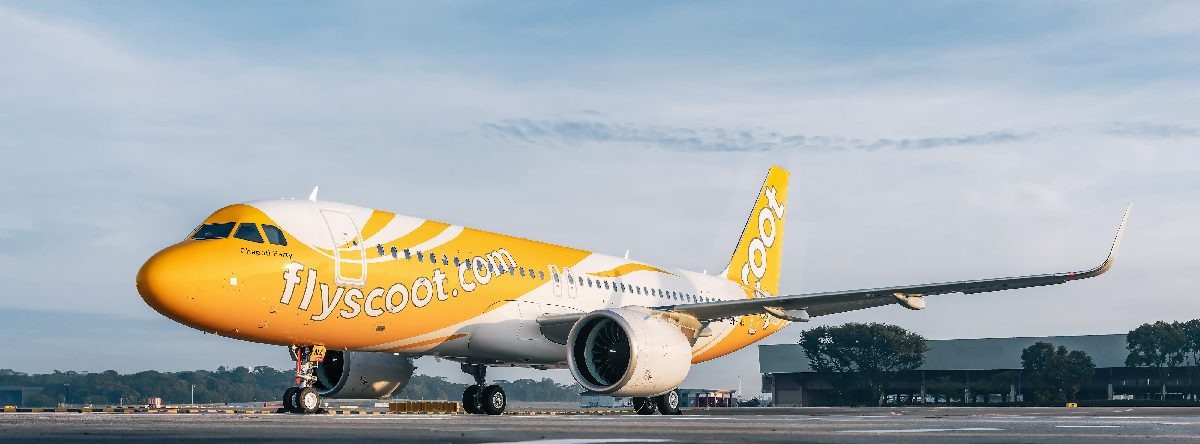
Singapore-based Scoot has been named as the world’s most emissions-efficient airline in Cirium’s annual EmeraldSky analysis of the world’s 100 largest airlines. The ranking is based on CO2 per available seat kilometre (ASK) so, understandably, low-cost airlines fared best but long-haul operators like Qatar Airways, Turkish Airlines, Virgin Atlantic and Air Canada performed well. Improvements over the previous year were largely due to ongoing fleet replacements with modern, more fuel-efficient aircraft. The methodology applied to the rankings is independently assured by PwC to the international ISAE 3000 assurance standard and groups airlines into Gold, Silver and Bronze tiers based on global performance, covering the top 15 airlines as well as key regional and route performers.

SkyNRG’s Swedish eSAF joint venture awarded €21 million state funding
21 May 2026
Project SkyKraft, an eSAF joint venture between Dutch SAF supplier SkyNRG and Swedish power company Skellefteå Kraft, has been awarded €21 million ($24m) from the Swedish Energy Agency’s Industriklivet initiative. The early-stage funding will go towards the next phase of development for the planned eSAF facility at Näsudden in the Port of Skellefteå. The grant will support the project’s feasibility work, including the design and engineering activities needed to prepare for a planned Final Investment Decision (FID) in 2027. Once operational, SkyKraft aims to produce up to 130,000 tonnes of eSAF annually using renewable electricity and biogenic CO2. SkyKraft is SkyNRG’s third facility, joining renewable gas to SAF Project Wigeon in the US and DSL-01, a large-scale SAF plant in the Netherlands that reached FID earlier this year.
UK aerospace partners pledge £188m investment in hydrogen-powered aviation
21 May 2026
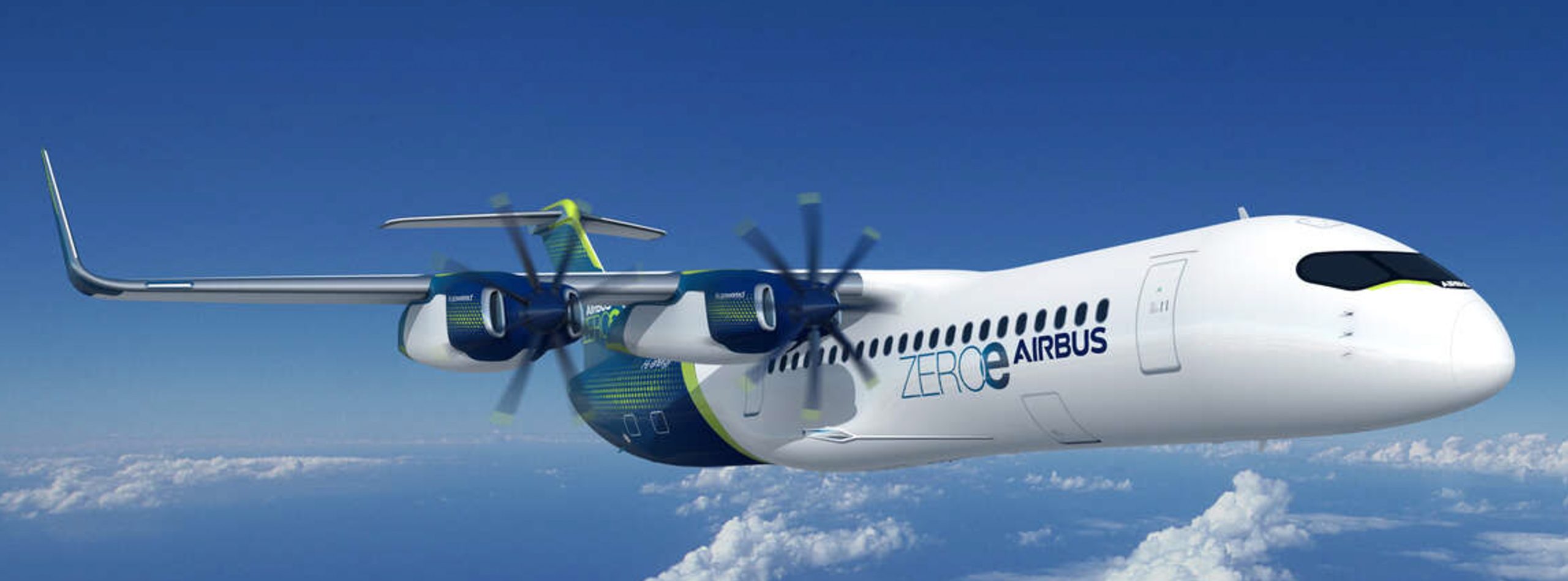
UK cross-aviation industry group Hydrogen in Aviation Alliance (HIA) has announced combined investments of £188 million ($250m) into innovation and R&D for hydrogen-powered aviation. The group, which includes Airbus, Bristol Airport, easyJet, GKN Aerospace and Rolls-Royce, has been joined by new member Intelligent Energy. HIA says its core mission is to ensure the UK maximises its opportunity to be a global leader in hydrogen-powered aviation. Two of its members, easyJet and Rolls-Royce, recently completed ground testing of an engine powered by hydrogen. Meanwhile, the government/industry Jet Zero Taskforce has published a report by its Hydrogen Task and Finish Group that highlights the work it had carried out in 2025 and looks at the potential for domestic commercial hydrogen flight.
COMMENTARY: The jet fuel supply crisis – This was supposed to be SAF’s moment
20 May 2026
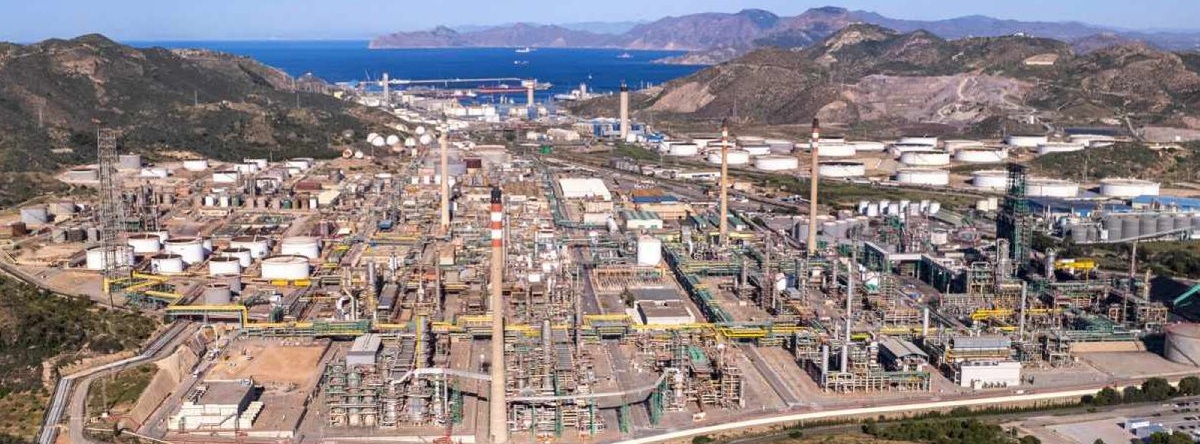
There is a version of the SAF story that sounds like good news. SAF feedstocks – used cooking oil, tallow, animal fats – are sourced domestically, collected regionally, and priced by local supply and demand. They do not move with OPEC decisions or Persian Gulf shipping lanes. When the Strait of Hormuz closed in late February and crude oil surged from $61 to above $114 per barrel, SAF feedstock prices barely flinched. On the production side, SAF is genuinely decoupled from fossil fuel production, upstream logistics and economics. That is a real structural advantage, and the energy security case for SAF rests on it. Here is the part nobody is saying out loud: the price of SAF moved anyway, writes Elvis Ebikade.

The EU’s eSAF mandate could affect ticket prices, route networks and Europe’s competitiveness, says SAS
14 May 2026
A report by Scandinavian airline SAS warns that Europe is heading towards a structural shortage of eSAF (synthetic, or electro, aviation fuel) just as the EU’s regulatory mandate enters into force in 2030, which could cause a significant increase in operating costs for airlines and ticket prices for passengers. The report estimates the aviation sector in the three Scandinavian countries – Denmark, Norway and Sweden – will require 36,000 tons of eSAF in 2030, rising to more than 160,000 tons by 2035 and 330,000 tons by 2040 to meet the mandate. This corresponds to the output of one dedicated production plant by 2032, two to three plants by 2035, and around five by 2040. Today, points out SAS, none exist in Europe. Meanwhile, a study by Sweden’s Chalmers University of Technology finds the EU regulations could make eSAF production pathways more expensive and energy intensive than necessary.
SWISS signs with methanol-to-SAF developer Metafuels in drive to access synthetic aviation fuels
13 May 2026
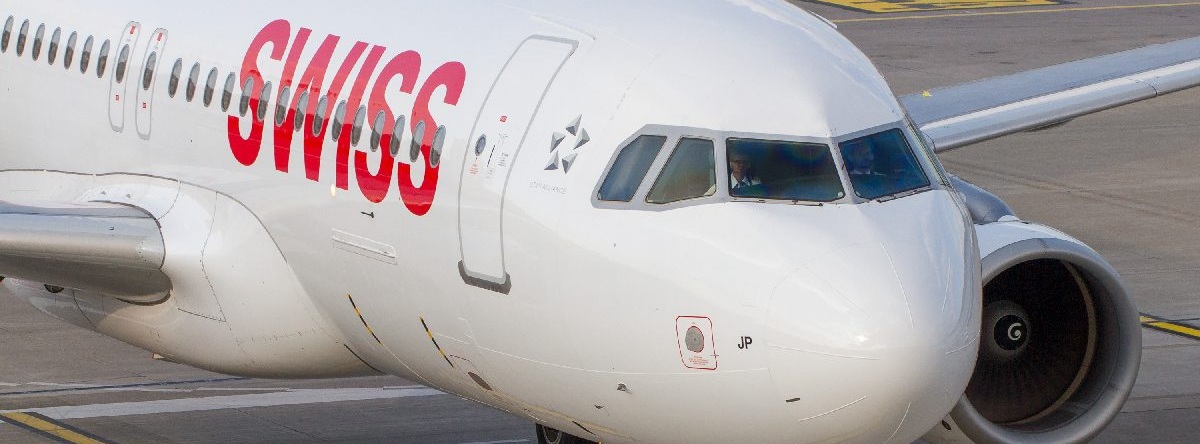
Swiss International Air Lines (SWISS) has entered into a collaboration with Zurich-based synthetic aviation fuels developer Metafuels to bring viable SAF solutions to market, with the possibility of the airline and parent Lufthansa Group committing in the future to long-term procurement contracts. Metafuels has developed technology to convert green methanol, whether biomethanol or e-methanol, into drop-in sustainable aviation fuel. With synthetic aviation fuel quotas due to be adopted in Switzerland and the European Union from 2030 onwards, SWISS said it was looking to secure early access to these fuels and support Switzerland’s role as a SAF research and innovation hub. SWISS and Lufthansa Group have also backed another Swiss SAF producer, Synhelion, which is developing technology to harness energy from the sun to produce renewable jet fuel.
Rolls-Royce and easyJet complete first-ever hydrogen aviation fuel ground test programme
12 May 2026
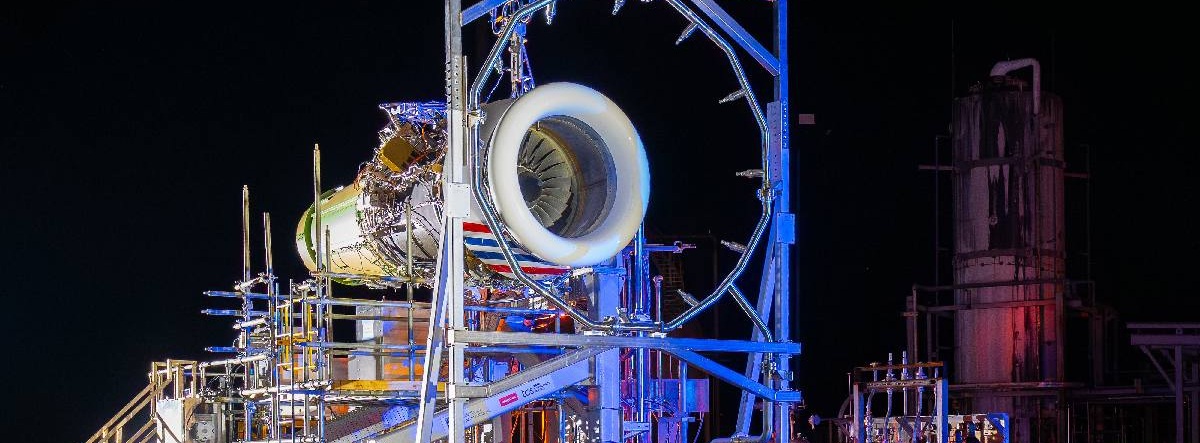
Rolls-Royce and easyJet report they have successfully completed industry-first ground testing of hydrogen as an aviation fuel at NASA’s Stennis Space Center in Mississippi. A modified Rolls-Royce Pearl 15 engine, used on business jet aircraft, reached full take-off power while running on 100% hydrogen, so proving, say the two partners, that a modern jet engine can operate on hydrogen across a full flight cycle and under demanding conditions. The milestone is a result of a four-year programme involving the aircraft engine manufacturer, the airline and other global partners to explore hydrogen as a potential aviation fuel and “generate engineering insight for future propulsion applications”. It started in 2022 with the running of a Rolls-Royce AE2100 on 100% green hydrogen at Boscombe Down in the UK.
EcoCeres inks agreement with Hong Kong government to develop a SAF facility in China
8 May 2026
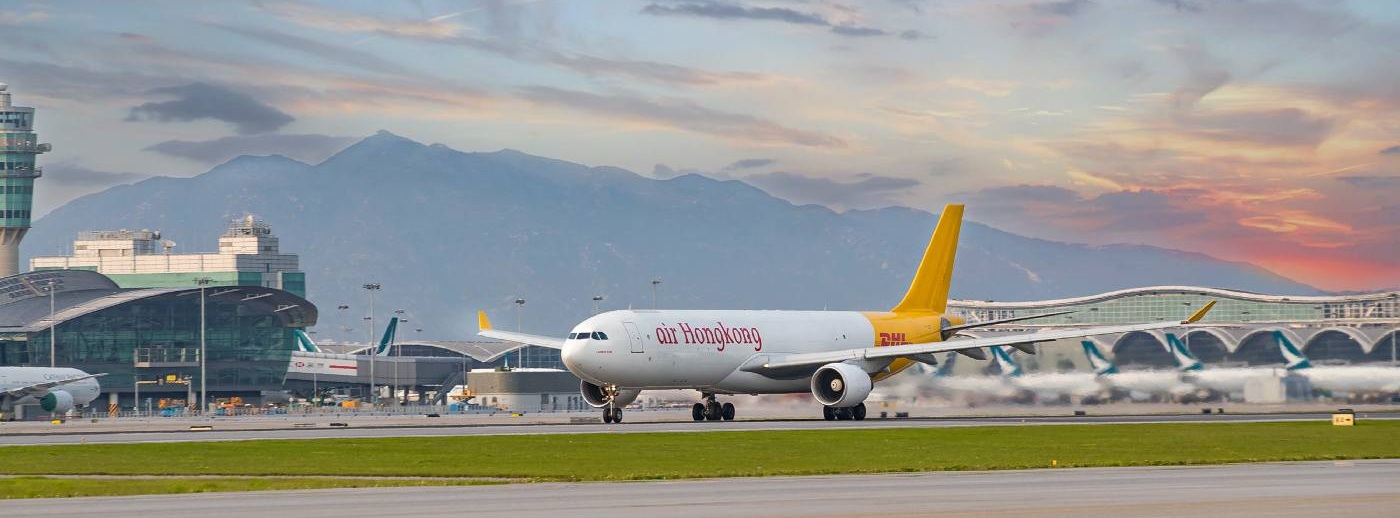
SAF producer EcoCeres has signed an Investment Letter of Intent with the Hong Kong SAR government and the Dongguan municipal government to establish a new sustainable aviation fuel production facility in Dongguan, mainland China. The partners say the facility will serve as a foundation for the first fully integrated SAF supply chain in the Guangdong-Hong Kong-Macao Greater Bay Area (GBA) and a major step in making the GBA a leading player in the global SAF sector. The facility aims to have an annual capacity of around 450,000 tonnes of SAF and hydrotreated vegetable oil, with waste-based feedstock collection across the GBA; refining and production in Dongguan; and blending, refuelling and trading in Hong Kong to create an integrated end-to-end model.


More News & Features
News Roundup September 2026
News Roundup July/August 2026
News Roundup June 2026
News Roundup April 2026
News Roundup March 2026
News Roundup February 2026