



Carbonfuture has signed a multi-year agreement with Boeing for at least 40,000 tonnes of durable carbon dioxide removal (CDR) credits, which it says is one of the aviation sector’s largest-ever procurements. Carbonfuture will supply a diversified portfolio initially sourced from four biochar carbon removal projects across the Global South and will be de-risked by the company’s digital Trust Infrastructure to ensure precise tracking of both the carbon removed – from biochar production to end use – and the associated legal title. Under the agreement, which includes an option to purchase additional credits, Boeing will apply the credits to address its residual Scope 3 – category 6 emissions associated with business travel.
The airplane manufacturer said the agreement would support the quality of the voluntary carbon removal market alongside existing international frameworks, including ICAO’s CORSIA carbon offsetting scheme.
“To support long-term global demand for air travel, the aviation industry has set goals to reduce emissions,” said Allison Melia, VP Global Enterprise Sustainability at Boeing. “We’re excited to team up with Carbonfuture to support technological innovation in carbon removals to help meet these needs.”
Through its digital Trust Infrastructure, Carbonfuture said Boeing would gain access to rigorously vetted, durable removals.
“Buyers can trust the integrity of their purchases, while suppliers benefit from a streamlined path to market,” it added. “As CDR scales, digital MRV enables frequent verification – essential for ensuring an efficient, high-quality market at gigatonne scale.”
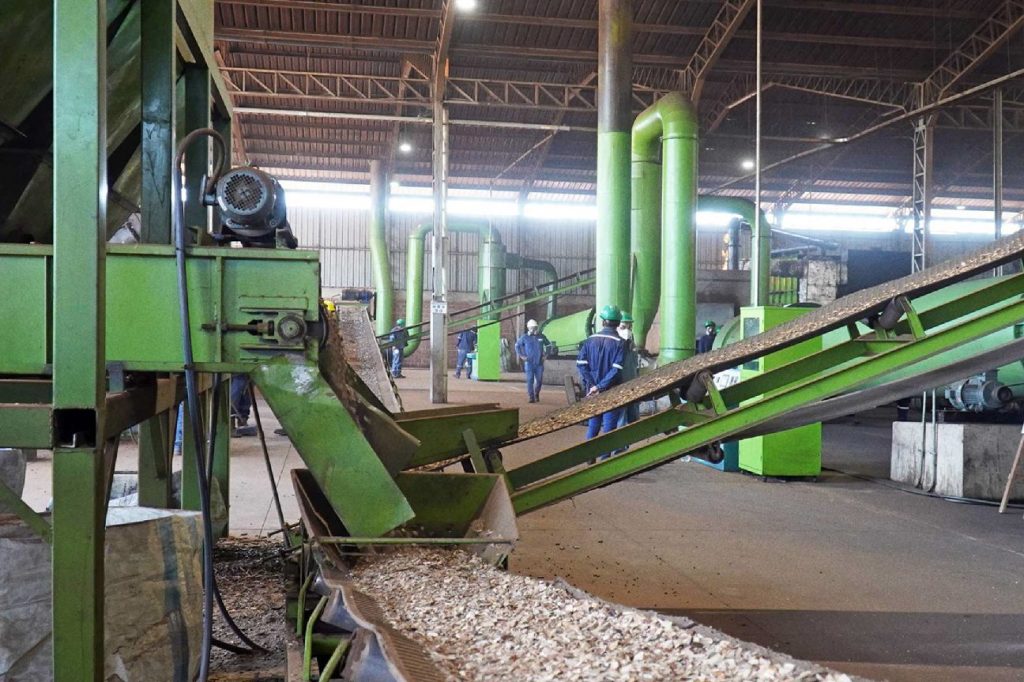
Biochar is charcoal made from organic material, such as sawmill residues, that is added to soil to improve fertility and sequester carbon. Biochar carbon removal is one of the most immediately scalable and cost-competitive durable CDR solutions available today, with 86% of all durable CDR deliveries coming from biochar in 2024, says Carbonfuture.
Hannes Junginger-Gestrich, CEO of Carbonfuture, said: “By structuring a diversified portfolio and providing the infrastructure to manage it with full transparency, we are enabling Boeing to address hard-to-abate emissions.”
The company, located in Europe and the US, has partners including Microsoft, Swiss Re and the World Economic Forum’s First Movers Coalition.
Photo (Exomad Green / Carbonfuture): Exomad Green‘s biochar facility in Bolivia

Christopher Surgenor
Editor



More News & Features
Carbonfuture signs multi-year agreement with Boeing to supply carbon removal credits
ICAO releases first-ever growth factor for airlines’ CORSIA offsetting requirements
New Zealand initiatives announced on electric aircraft, hydrogen refuelling and carbon removals
SkyNRG says e-SAF and carbon removals should not be competing strategies for aviation decarbonisation
Microsoft backs SAF for Scope 3 business travel emissions in agreements with IAG and FEG
United Airlines’ sustainable venture fund makes investment in DAC company Heirloom