

GreenAir’s roundup of the latest news and comment from around the world on efforts to reduce aviation’s climate and environmental impact

REGIONAL SAF NEWS
EUROPE:
UK project development and technology company Equilibrion and Rolls-Royce SMR have signed a MoU to collaborate on a technical and economic assessment to better understand the opportunity for nuclear-powered SAF using small modular reactors (SMRs). The heat and electricity from a Rolls-Royce SMR power station is well suited to industrial processes that require consistent energy inputs, such as hydrogen production and synthetic fuel synthesis, say the partners. Equilibrion’s proprietary modular system Eq.flight aims to produce commercial-scale power-to-liquids (PtL) eSAF from electricity and heat. The two companies believe their two technologies have the potential to produce over 160 million litres of SAF per year per Rolls-Royce SMR, meeting around a third of the UK’s 2040 PtL target.
Carbon market company CFP Energy Group has completed a sustainable aviation fuel certificate (SAFc) transaction for an undisclosed global corporate seeking to address emissions from business travel and logistics. CFP, which is positioning itself as an active market participant, said it structured the transaction to ensure “robust governance, recognised registry alignment and straightforward implementation” for the corporate buyer. “Corporates are looking for solutions that are credible, scalable and commercially workable,” commented Axel Vanmeulder, SAFc Lead at CFP Energy. “Our role is to make SAF participation practical while helping bring the liquidity needed to accelerate market adoption.”
French SAF technology company Axens has signed a MoU with Airbus on a collaboration around the development and deployment of SAF. The partners will engage in structured discussions on technical aspects of SAF pathways “to enhance their shared understanding of current and future technologies, reinforcing ongoing exchanges between their technical teams.” In parallel, they will explore how to support wider SAF deployment by aligning advocacy efforts, engaging with key stakeholders and identifying potential opportunities where coordinated action could accelerate project development worldwide. They will also look into areas where they could collaborate on regional market analysis and consider joint initiatives that could help de-risk and speed up SAF production scale-up.
SAF accelerator Future Energy Global has partnered with voluntary carbon market company Climate Impact Partners to bring SAF Certificates (SAFc) to market, so enabling companies to address Scope 3 emissions from business travel and cargo transport while allowing airlines and SAF producers to scale up the use of SAF. Through a book-and-claim system, in which certificates are independently verified and tracked, businesses can finance SAF production and claim its environmental benefits, even without directly controlling the fuel used on flights. “Our partnership with Future Energy Global strengthens the solutions available to our clients and we’re already seeing strong interest in integrating SAFc into net zero strategies,” said Sheri Hickok, CEO, Climate Impact Partners.
Norsk e-Fuel has signed a MoU with Aurora Infrastructure to cooperate on the development of the former’s Project Rauma in Finland. The partners will explore a model in which Aurora designs, finances, builds, owns and operates the electrical infrastructure for the planned eSAF plant. They say the separation of energy infrastructure from fuel production will allow Norsk e-Fuel to concentrate on its core expertise in developing power-to-liquid plants “while supporting stronger overall project economics”. Added Norsk’s CCO, Lars Bjørn Larsen: “By partnering, we can reduce capital intensity in the project, improve returns and focus fully on developing and constructing the fuel production plant.”
AMERICAS:
Dimensional Energy and Idemitsu Americas Holdings have formed a new strategic collaboration to advance business opportunities in North America for a range of carbon-neutral products, including SAF. Dimensional Energy is a licensor of syngas and synthetic hydrocarbon catalyst technology capable, it says, of converting any carbonaceous feedstock into high-performance hydrocarbons.
AFRICA:
Aviation Week reports Kenyan startup Bleriot Group is planning to start commercial production of SAF in 2027 and so become one of the first to produce the fuel in Africa. The company says potential demand will be driven by a new mandate that Kenya is looking to introduce requiring air operators to blend 1% of SAF with conventional jet fuel. It is currently producing small quantities of SAF using a pilot reactor in its plant in southern Kenya and is investing in a second-generation model that is planned to come on stream by year-end. Bleriot is also promoting a modular SAF production concept involving small-scale manufacturing units built on-site for customers.
ASIA-PACIFIC:
Singapore-based SAF blending technology company FlyORO has joined SAF standards organisation the Roundtable on Sustainable Biomaterials (RSB). FlyORO’s patented AlphaLite technology delivers operational capability for decentralised blending across the SAF supply chain, from upstream production sites to near-airport integration points without, says the company, compromising traceability or control. As demand aggregation mechanisms such as book-and-claim continue to grow, says FlyORO, physical SAF deployment is an essential component of the system. “FlyORO’s membership of the RSB reflects a shared commitment to the transparency and integrity that credible SAF markets require,” commented Julia Fidler, RSB’s Executive Director.
EcoCeres has launched Project Spark, a SAF pilot programme in mainland China that will include a pilot implementation of China’s independent SAF sustainability certification scheme. The programme is in collaboration with the Second Research Institute of the Civil Aviation Administration of China (CASRI), China National Aviation Fuel Group (CNAF), China Southern Airlines, Air China Cargo, Sichuan Airlines and Huarong Chemical. It establishes a fully integrated, closed-loop SAF model, linking production, blending, flight use and environmental credit certification. Another highlight is the pilot use of Anchor Trace to allocate Scope 1 emissions reductions to airlines and Scope 3 reductions to corporate customers.
SAF technology provider Axens has joined a project developing a pre-FEED study for an Australian e-fuels plant under the Franco-Australian Indo-Pacific Centre for Energy Transition (FACET). The pre-FEED has been in development by Downer Group, CEA and H2Potential since early 2025 and is scheduled for completion in April 2026. The plant will produce e-fuels for the aviation and maritime sectors.
Acelen and Finboot sign biofuel traceability partnership for Brazilian SAF project
30 March 2026
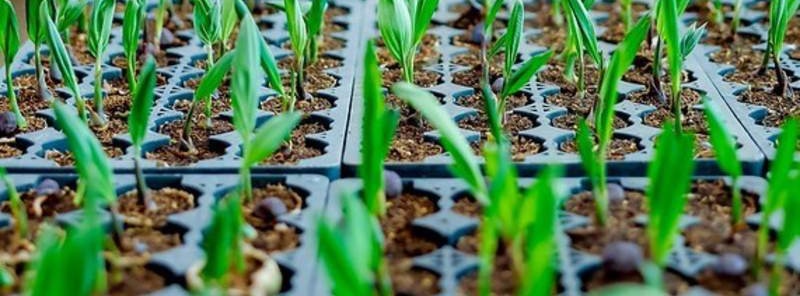
Digital traceability solutions provider Finboot has signed an agreement with Acelen Renewables, which has ambitions to produce 1 billion litres of sustainable aviation fuel and renewable diesel (HVO) from high-energy macauba oil in Brazil, to monitor the lifecycle of the production chain. The partnership will implement and set up Finboot’s MARCO Track & Trace according to Acelen’s specific traceability needs. With plans to export its renewable fuels to Europe and the US, Acelen says it needs a robust and auditable traceability solution to meet regulatory requirements domestically as well as internationally. The Brazilian project was unveiled by Acelen Renewables, a subsidiary of global asset management company Mubadala Capital, at COP28 in 2023, held in Dubai. The macauba palm fruit is seen as a promising feedstock for biofuels as it can be grown on degraded agricultural land, thus avoiding deforestation concerns.
JAL becomes the first commercial airline to retire large-scale Gold Standard CORSIA credits
27 March 2026
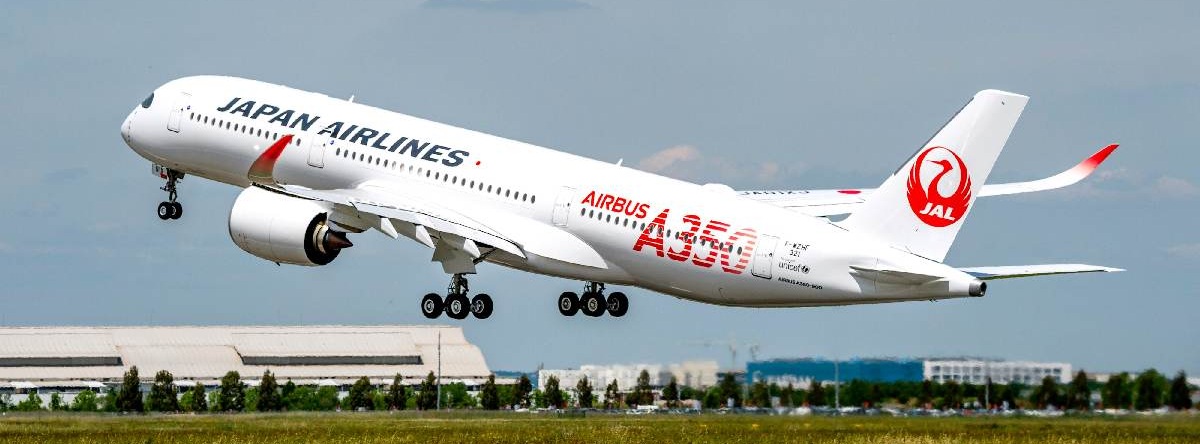
Japan Airlines has become the first commercial airline to make a large-scale retirement of Gold Standard carbon credits in respect of Phase 1 of ICAO’s Carbon Offsetting and Reduction Scheme for International Aviation (CORSIA). A total of 180,000 credits, known as Eligible Emissions Units (EEUs), were retired by Shell on behalf of the airline to meet its Phase 1 obligations. A separate, smaller retirement was made by US-based Skyservice Business Aviation in February. Gold Standard said the transactions showed CORSIA compliance activity “is now substantively underway”. The retired credits were sourced from CORSIA-eligible cookstove projects in Malawi and Tanzania, which support communities’ access to cleaner cooking technologies, so improving lives and livelihoods while reducing pressure on forests.

Singapore defers introduction of SAF levy due to Middle East conflict
26 March 2026
The Singaporean Civil Aviation Authority (CAAS) has announced it will defer the implementation of its SAF Levy on the sale of tickets and services, due to start on April 1, in view of the ongoing Middle East conflict. The levy will now apply to tickets and services sold from October 1 for flights departing from 1 January 2027. With the deferment, the SAF target of 1% will now take effect from 2027 and plans to raise the target to 3-5% by 2030 remain in place, said CAAS, subject to “global developments and the wider availability and adoption of SAF”. Unaffected is Singapore’s first voluntary sustainable aviation fuel procurement trial launched last month by CAAS, the Singapore Sustainable Aviation Fuel Company (SAFCo) and nine companies. SAFCo was established by CAAS in October 2025 to centrally procure SAF in support of the 1% target on the use of SAF for flights departing Singapore.
European airlines call on EU to lower carbon pricing and SAF costs
24 March 2026
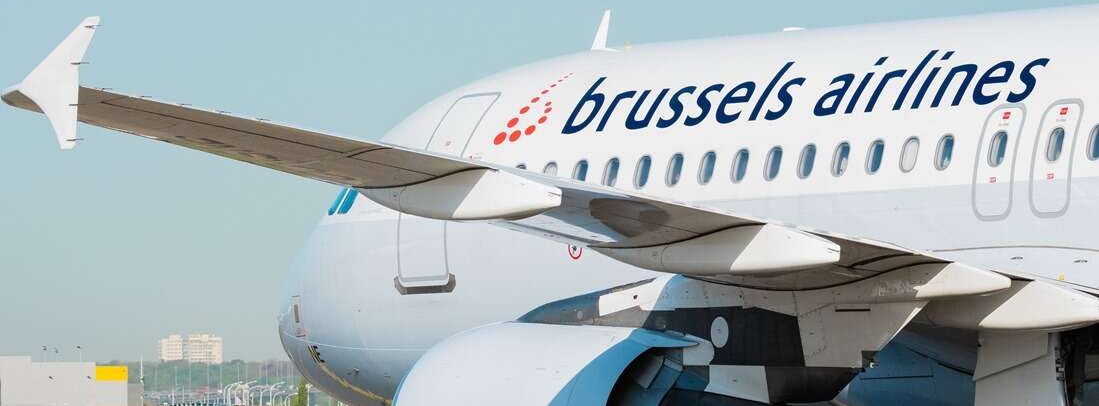
European airline CEOs meeting in Brussels have called on the EU to urgently address rising costs and a growing regulatory burden on the sector, identifying in particular the EU Emissions Trading System (ETS) and the impact of ReFuelEU’s sustainable aviation fuel mandate. Trade body Airlines for Europe (A4E) says regulatory costs for its members have tripled since 2014 to €15.5 billion ($18bn) annually and is expected to rise to €27.6 billion per year in 2030. It calls on the EU to bring ETS costs in line with the levels of the CORSIA international carbon offsetting scheme and work towards replacing the ETS with a strengthened CORSIA. A4E also demands immediate EU and member state action to rapidly bring down the cost of SAF and to postpone the “untenable” eSAF mandate.

COMMENTARY: The climate impact of contrails – why targeting a small share of flights could make a big difference
23 March 2026
The climate impact of persistent contrails from aircraft is receiving growing attention from policymakers, with the EU currently developing policies to integrate them into climate regulations. In a recent study, researchers from Chalmers University of Technology and Göteborg University in Sweden, together with Imperial College, developed methods and tools to study the climate impact of persistent contrails compared to carbon dioxide emissions from aviation. They studied their impact from nearly half a million flights across the North Atlantic and from global aviation as a whole, and analysed the potential climate benefits of rerouting flights as a strategy to avoid contrail formation. In this article, Christian Azar and Daniel Johansson summarise key insights from the study.
Norwegian starts permanent use of 40% SAF on new Danish domestic route
16 March 2026
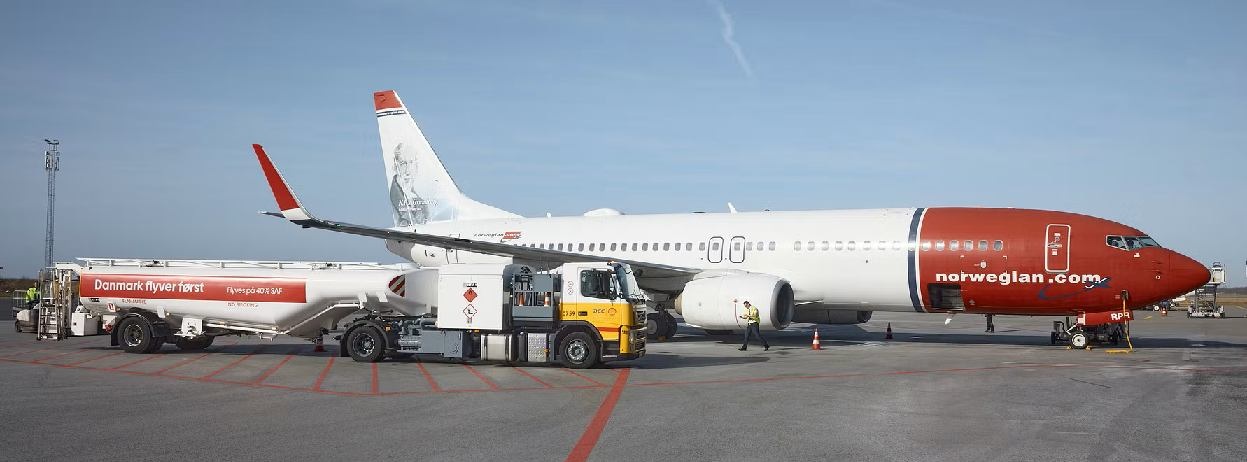
Norwegian has launched a new Danish domestic daily route between Aalborg and Copenhagen that will be the first in Europe to use sustainable aviation fuel on a permanent basis. A 40% blend will be used on all departures in 2026 and 2027, with the SAF consisting of European raw materials and produced by Finnish energy company St1 at its biorefinery in Gothenburg, Sweden. The route has been created through a tender under the Danish government’s ‘Green Aviation’ agreement in which the state is actively supporting the use of more SAF. Emissions from the route are expected to be reduced by more than 3,000 tonnes of CO2 on a lifecycle basis. Meanwhile, Norwegian is fighting through the courts a NOK 400 million ($40m) penalty incurred for non-compliance with the EU Emissions Trading System during Covid-19 and the airline’s reconstruction process.

Abatable report forecasts new demand for 78m CORSIA credits to cover 2025 emissions
12 March 2026
ICAO’s Carbon Offsetting and Reduction Scheme for International Aviation (CORSIA) is structurally changing carbon market demand prospects for the coming years, says a report by carbon market platform Abatable. It expects the demand for CORSIA-compliant carbon credits, called Eligible Emissions Units (EEUs), will begin to materialise this coming year as airlines procure EEUs to cover their emissions for the First Phase (2024-2026) of the scheme. Aviation emissions grew 15% from the scheme’s 2019 baseline to 2024, resulting in a demand for 58 million tonnes of eligible units to cover 2024 units. In 2026, ICAO will publish its emissions compensation volumes for 2025 emissions, which Abatable estimates will see an additional 78 million tonnes of new demand this year.

Syzygy adds to global expansion plans with MoU to develop biogas-to-SAF projects in Brazil
11 March 2026
US light-driven chemical reactor technology company Syzygy Plasmonics has signed a MoU with Brazil’s Geo bio gas&carbon to develop commercial-scale sustainable aviation fuel projects in Brazil. Geo is a leading sugarcane and ethanol waste to biogas developer and operator, and the agreement will leverage the company’s expertise in operating biogas assets paired with Syzygy’s electrified GHG e-Reforming technology to convert biogas derived from sugarcane crop residues into SAF and other low-carbon fuels. Initial efforts will target sites capable of producing up to 100,000 tonnes per year, with final aggregate scale-up anticipated at over 525,000 tonnes annually. Syzygy has also added other biogas-to-fuel MoUs and planned projects in place in the United States, Mexico, Europe and the Dominican Republic as part of its expansion ambitions.
Boeing signs multi-year deal with Carbonfuture for carbon removal credits
10 March 2026
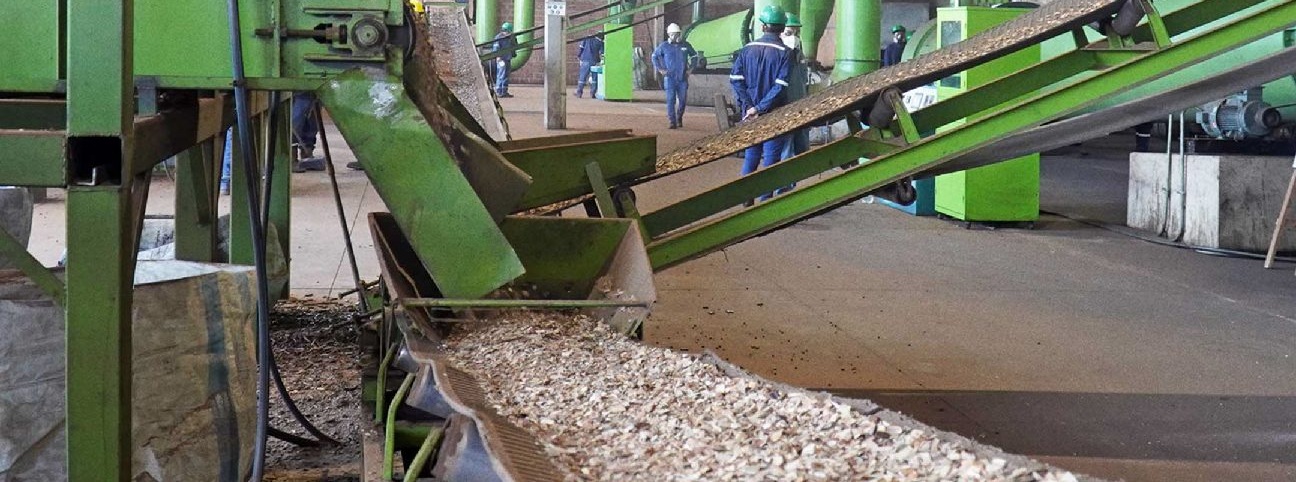
Carbonfuture has signed a multi-year agreement with Boeing for at least 40,000 tonnes of durable carbon dioxide removal (CDR) credits, which it says is one of the aviation sector’s largest-ever procurements. Carbonfuture will supply a diversified portfolio initially sourced from four biochar carbon removal projects across the Global South and will be de-risked by the company’s digital Trust Infrastructure to ensure precise tracking of both the carbon removed – from biochar production to end use – and the associated legal title. Under the agreement, which includes an option to purchase additional credits, Boeing will apply the credits to address its residual Scope 3 – category 6 emissions associated with business travel.
Air France-KLM incurs €7.5m bond penalty on missed GHG intensity target
5 March 2026
In its 2025 full-year accounts, the Air France-KLM Group has disclosed it did not achieve the sustainability performance target of a specific reduction in its GHG emission intensity from a 2019 baseline by 2025, as required under the terms of sustainability-linked bonds issued in January 2023. The cost impact for the two bonds amounts to €7.5 million ($8.7m). The group has set a SBTi-validated performance target of a GHG emissions intensity reduction of 30% by 2030 from a 2019 baseline with an interim 10% reduction goal by 2025. It blames the missed target on delays to its fleet renewal plans, engine issues and higher than expected fuel consumption due to geopolitical circumstances. On a positive note, the group reports its SAF usage more than doubled in 2025 compared to the previous year.

First firm order placed for AURA’s ERA regional hybrid-electric aircraft
2 March 2026
French aircraft manufacturer AURA AERO has announced the first firm order for its regional ERA 19-seater hybrid-electric aircraft. The customer is Pan Européenne Air Service (PEAS), a French private airline that has specialised in customised business flights for over 50 years and is aiming to become one of the first in the world to operate a hybrid-electric aircraft with paying passengers. The airline has been supporting AURA AERO and the ERA programme from the outset and its commitment follows taking part in flight testing of AURA AERO’s fully electric two-seat training aircraft, INTEGRAL E. The manufacturer claims ERA will reduce CO2 emissions by up to 80% compared to thermal aircraft in its category and to date its order book includes nearly 700 Letters of Intent from 16 international airlines and fleet operators, valued at $12 billion.


More News & Features
News Roundup September 2026
News Roundup July/August 2026
News Roundup June 2026
News Roundup May 2026
News Roundup April 2026
News Roundup February 2026