






By year’s end, XCF Global and New Rise Australia are expected to sign a definitive licensing agreement, subject to due diligence and regulatory approvals. The deal will deliver XCF a 12.5% equity stake in New Rise Australia as well as one board seat and licensing fees, though their announcement does not specify timing or locations of the planned facilities nor the SAF pathways to be progressed.
XCF’s New Rise energy plant template is designed to enable rapid deployment and scalable growth of new fuel facilities. It is also being used to build a second plant in Reno targeting annual production of 40 million gallons of neat SAF per year from 2028.
The Australian government is prioritising the domestic development of a low carbon liquid fuels (LCLF) industry, including SAF and renewable diesel, as part of its Future Made in Australia programme.
XCF referenced a Deloitte report commissioned by Australia’s Clean Energy Finance Commission which said a local LCLF sector would strengthen national energy security, deliver a A$36 billion ($23bn) “opportunity”, and avoid 230 million tons of carbon emissions by 2050.
“Australia imports 80% of its liquid fuels, spending more than A$50 billion in 2023 alone,” said XCF, “while exporting A$3.9 billion in potential LCLF feedstocks. With less than 50 days of fuel reserves currently held onshore, well below the International Energy Agency’s recommended 90 days, the country’s reliance on imports leaves it vulnerable to global disruptions.”
Demand for SAF in Australia is expected to surge as both the Qantas Group, the nation’s largest airline company, and Virgin Australia, the second biggest, each progress plans to achieve net zero carbon emissions by 2050.
Both airline groups have partnered with other SAF developments in Australia, while Qantas has separately led lobbying of the Federal Government to introduce SAF blending and usage mandates to drive up demand and production while forcing down cost.
“Our partnership with New Rise Australia accelerates XCF’s global expansion strategy and underscores the scalability of our modular renewable fuel platform,” said Mihir Dange, CEO of XCF Global. “Australia combines strong policy momentum, growing aviation demand and abundant feedstock resources, creating an excellent environment to develop renewable fuel facilities.
“Through New Rise Australia, we’re deploying our renewable fuel platform to a new market, enabling rapid growth and efficient capital use while helping drive Australia’s clean energy transition. This partnership showcases how XCF’s platform transforms opportunity into impact, opening new markets, fuelling sustainable growth and shaping the future of renewable energy.”
Continual Renewable Ventures is focused on infrastructure which supports long-term decarbonisation of Australia’s transport sector. A key focus is enabling SAF and hydrotreated vegetable oil (HVO), or renewable diesel projects.
“We intend to create a unified platform that brings together XCF’s modular site design with Continual Renewable’s local expertise to unlock opportunities within Australia’s unique energy landscape,” said Renzo Petersen, CEO of New Rise Australia.
“This is not simply a design development. It’s the foundation for the long-term, self-sustaining renewable fuel industry that drives investment, creates jobs and accelerates Australia’s transition to energy independence.
“Together, we’re demonstrating how collaboration can be transformed into capability and how capability becomes the clean energy that fuels Australia’s future.”
As XCF and New Rise Australia progress plans for new, modular production plants for SAF and renewable diesel, a collaboration between Wagner Sustainable Fuels, Boeing and Singapore-based energy technology provider FlyOro has activated Australia’s first dedicated SAF blending terminal.
Located at Wellcamp Airport, near the Queensland regional city of Toowoomba, the facility is claimed by the partners to be the world’s first such facility co-located at an airport.
As well, Wagner has become Australia’s first SAF company to be certified by the Roundtable of Sustainable Biomaterials (RSB), providing its customers with proof of fuel authenticity through verified accounting and a guaranteed chain of custody process.
“This is a defining moment for sustainable aviation in Australia and underscores Wagner Sustainable Fuels’ commitment to provide solutions today for the challenges of tomorrow,” said the company’s CEO, Matt Doyle.
“With the support from Boeing, we’re focused on bringing large-scale SAF and renewable diesel production to Australia and integrating it into the global supply chain through the Brisbane Recycling and SAF Facility, which is currently under planning and development.”
The new blending terminal is “a powerful step forward in aviation decarbonisation, boosting regional employment and opening new export markets,” added Dr Kimberly Camrass, Boeing’s Head of Asia Pacific Sustainability. “It will also provide important learnings to support the development of robust and scalable SAF supply chains within Australia.”
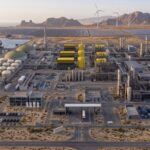
Photo: XCF’s New Rise SAF facility in Reno, Nevada

Tony Harrington
Correspondent


More News & Features
Synthetic aviation fuel projects advance in Europe, Africa, US and China
Over €400m in free EU ETS allowances given to airlines in 2025 to support SAF uptake
EASA reports 2025 supplies of SAF exceeded first year of EU mandate
United and FedEx sign agreements to extend SAF supplies and scale up use
Cathay Pacific trials Google’s AI-powered contrail avoidance technology across its network
Nova Pangaea takes major step towards commercial-scale SAF production