



Around 5.2 million EU ETS allowances, worth approximately €430 million ($490m), have been distributed among 130 airlines and other aircraft operators to support sustainable aviation fuel uptake in 2025. Under a new Decision adopted by the European Commission, the 2025 support exceeds by more than four times the free allowances allocated in 2024 and is on top of a €135 million incentive resulting from the zero rating of SAF consumed by operators on routes subject to the EU ETS surrendering obligation. The total amount of biofuels and advanced biofuels claimed in 2025 was over 530,000 tonnes, contributing to about 1.7 million tonnes of CO2 abatement. The Commission has also published its final report on the review of the CORSIA international aviation carbon scheme that was the basis for its proposal presented in July to extend the scope of the EU ETS to flights departing to airports outside Europe.
The support system by the EU to accelerate the uptake of sustainable aviation fuels was introduced through the revised EU ETS Directive in 2023, in which 20 million free allowances – valued by the Commission at around €1.5 billion, based on an allowance price of €75 – are to be granted to airlines from the start of 2024 until the end of 2030, although they are expected to run out possibly by 2028.
All commercial aircraft operators covered by the EU ETS, both EU and non-EU based, are treated equally under the mechanism. As a result, non-EU carriers such FedEx, Korean Air, Qatar Airways, Ethiopian Airlines, Sichuan Airlines and Cathay Pacific benefited from the free allocation in 2025, according to the list released by the Commission.
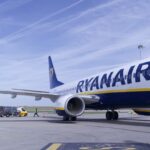
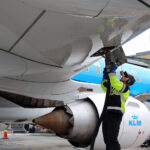
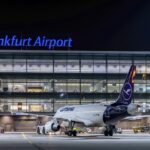
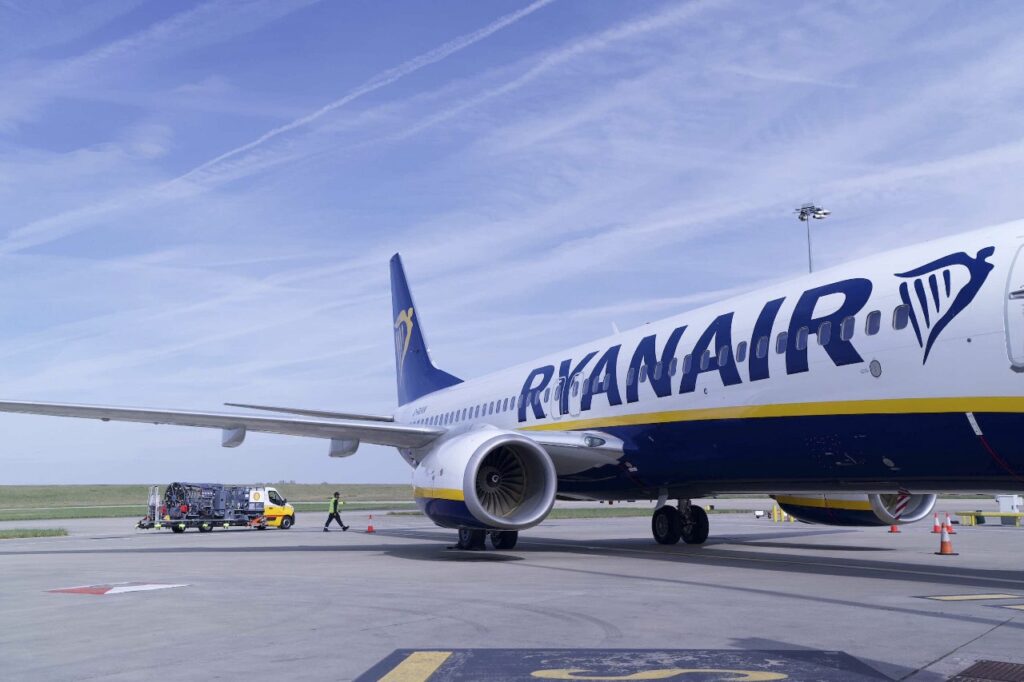
Among European carriers, the highest allocations went to Ryanair (769,555), Eurowings (293,729), Deutsche Lufthansa (179,254), Iberia Express (177,855), Vueling (373,488), British Airways (152,268), Wizz Air (176,176), KLM (175,348), Transavia (588,692) and easyJet (230,394). Combining carriers within their groups, Air France-KLM received around 1.2 million allowances and IAG approximately 870,000.
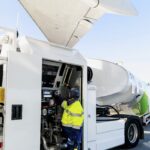
Based on verified calculations of SAF volumes by EU national authorities and using reference prices published by EASA, the system is intended to cover all or part of the price difference between fossil kerosene and eligible SAF used by individual operators on their flights covered by the EU ETS, and supplements the scheme’s incentive to use SAF as operators are not required to surrender allowances when using these fuels.
Finances from EU ETS are also allocated to the EU’s Innovation Fund to support cleantech projects and has been used to help Europe’s first commercial e-fuel plant, operated by Ineratec, through a top-up guarantee.
As part of its EU ETS review in July, the Commission proposes to increase from 2028 the SAF allowance mechanism with an additional 110 million allowances reserved from a wider scope application of aviation emissions from flights to airports within 5,000km of Frankfurt. This would potentially increase the number of non-EU airlines that would be eligible to receive free allowances to mitigate the SAF price premium. The additional support is expected to amount to a value of around €15 billion and will also be used to support electrification and addressing aviation’s non-CO2 climate impacts.
The SAF support mechanism is analysed in detail in the 600-page report released by the Commission (primarily intended to review the implementation of ICAO’s CORSIA scheme), with different options for continuing support post-2028.
The report identifies “shortcomings” in CORSIA, especially when compared to the EU ETS. These include, it says, the varying legal implementation status and prospects across countries; CORSIA’s inefficiency in reducing emissions within the aviation sector itself due to a reliance on offsetting; and that the majority of emissions subject to CORSIA do not incur offsetting requirements, which only apply to emissions above the baseline.
The report states that with regard to CORSIA-eligible carbon credits, there is a high risk that CORSIA will have a much smaller climate impact than its envisaged contribution and that only a small proportion of the claimed emission reductions are actually achieved. The vast majority of the issuance potential has very high integrity risks, it adds, and CORSIA’s eligibility requirements are insufficient, and additional requirements are needed.
Annex C (page 365) of the report provides a non-EU/EEA country-by-country status of CORSIA participation, implementation and legislation.
Photo: Ryanair was among the biggest beneficiaries of EU ETS SAF allowances in 2025

Christopher Surgenor
Editor


More News & Features
News Extra July/August 2026
News Extra June 2026
News Extra May 2026
News Extra April 2026
Metafuels secures major Dutch government grant to support eSAF project
News Extra February 2026