

GreenAir’s roundup of the latest news and comment from around the world on efforts to reduce aviation’s climate and environmental impact
NEWS EXTRA
September 2026
Japan Airlines and Climeworks Solutions have announced what they describe as the world’s first purchase agreement for carbon dioxide removal (CDR) credits designed to meet the requirements of ICAO’s CORSIA carbon scheme. As one of the first airlines to retire large-scale CORSIA-eligible credits, JAL says its helping establish a new market and explore how high-integrity carbon removals, including technologies such as Direct Air Capture can complement aviation’s broader decarbonisation efforts, and will purchase Climeworks DAC credits as part of a wider CDR portfolio.
Aether Fuels reports it has successfully deployed its 2.5 barrel-per-day Aurora technology to produce ASTM-specification synthetic aviation fuel using renewable natural gas (RNG) and industrial CO2, which it says is a first for a North American company. Aether has a pipeline of commercial projects, including Project Beacon in Singapore that aims to produce 2,000 tonnes of SAF per year from industrial waste and biomethane. It has MoUs in place with Singapore Airlines, JetBlue and FlyORO.
International Airlines Group (IAG) has selected OpenAirlines’ SkyBreathe fuel-efficiency platform to support more than 600 aircraft of its combined fleet. The platform will provide a common data and reporting framework across IAG airlines Aer Lingus, British Airways, Iberia, LEVEL and Vueling, which will help them identify and monitor fuel-saving opportunities, measure performance and share successful initiatives.
SkyNRG has chosen Technip Energies, Sasol and Topsoe as key partners for the FEED phase of its Project Wigeon SAF facility in Washington State as it moves towards a future FID. The facility is designed to produce 50 million gallons (143 kt) of SAF annually using RNG and Fischer-Tropsch technology. Key permitting has been secured, says SkyNRG, and start-up is targeted for 2031. Meanwhile, Emerson has been awarded a contract by Technip to provide automation technologies for the SkyNRG DSL-01 SAF facility now under construction in the Netherlands.
The SkyTeam airline alliance has launched the fifth edition of The Aviation Challenge, which brings together airlines and industry stakeholders to develop, implement and scale solutions aimed at reducing aviation’s environmental impact. The 2026 theme is ‘Collective Momentum’, to reflect the focus on collaboration and the role of shared action in driving sustainability progress. Participants are to submit their entries by the beginning of November, with winners across 21 award categories announced in January 2027.
Norway’s NOEMI Aerospace, which is developing a fully electric amphibious aircraft for regional passenger transport, with the ability to operate from both water and conventional runways, has signed a MoU with SkyHop Aviation, India’s first dedicated commercial seaplane operator. The deal will see the introduction of up to 15 NOEMI aircraft into the Indian market. Entry into service for the aircraft is targeted for 2030.
Heart Aerospace has unveiled the ES-36, a 36-seat hybrid-electric regional airliner, which adds six more passenger seats and 1,415 pounds of payload capacity to the previously announced ES-30. The ES-36 also moves from four to two nacelles and propellers, which the company says will reduce the number of propulsion components to maintain, so lowering maintenance costs. First flight of the ES-36 is targeted for the second half of 2028 and entry into service in 2031. US charter air carrier JSX has announced a deposit-backed purchase agreement for 50 ES-36 aircraft, with purchase rights for 50 more.
ARC-Bio, a JV between Bioénergie AECN and Alder Renewables, reports a successful demonstration of a pathway to produce SAF from Canadian forestry residues through refinery co-processing. The project upgraded fast pyrolysis oil from forestry residues by Bioénergie AECN in Quebec into barrel-scale quantities of Alder Renewable Crude (ARC). This biocrude was then processed in a fluid catalytic cracking pilot unit that simulates commercial refinery operations at sites worldwide.
Singapore-based FlyORO Technologies has signed a Letter of Intent with ICAO to join the ICAO Finvest Hub, an initiative to connect aviation decarbonisation projects with sources of investment. FlyORO will contribute its operating experience in modular SAF blending solutions, the step at which certified neat SAF is combined with conventional jet fuel to produce a finished, specification-compliant product that can be uplifted into an aircraft.
France’s Haffner Energy has launched SB-HEFA (solid biomass to HEFA), a process for producing renewable diesel and SAF based on its proprietary thermolysis technology, which directly converts solid biomass into liquid without going through syngas. The company says SB-HEFA can provide a more direct, simpler and cost-effective route to SAF production than alternative technologies. It estimates the CAPEX of a SB-HEFA facility could be around a one-third that of a solid biomass to liquid fuels conversion chain based on Fischer-Tropsch or methanol synthesis.
SAF technology provider Axens has signed a MoU with Hong Kong-based EPC services provider Wison Engineering to explore collaboration opportunities on global SAF and eSAF projects, including the Fischer-Tropsch pathway. The objective, they say, is to develop eSAF solutions designed for greater cost and schedule predictability, rapid deployment and efficient replication across global markets. Axens has also been selected by Canadian SAF producer Expander Energy to provide its advanced FT Liquid Upgrading technology at two developments in Alberta and British Columbia.
The Polish Association for Decarbonisation of Aviation (PSDL) has published a report that assesses the actual carbon footprint of the Polish aviation sector, provide forecasts through to 2032 and create a shared reference point for discussions on decarbonisation. The report shows that passenger numbers will rise from 66.1 million in 2025 to almost 86 million in 2032. CO2 emissions related to passenger traffic will increase from 5.01 million tonnes to around 5.2 million tonnes. Emissions per passenger are expected to fall by 4.5% due to fleet renewal, the increasing use of SAF and operational efficiency improvements.
The German press agency, dpa, reports the Federal Ministry of Transport is to impose penalties of €1,332 ($1,500) per tonne of SAF that airlines fail to use as required by the EU’s ReFuelEU SAF mandate. Applicable from the start of 2025, the mandate requires a 2% minimum blend of SAF be available at EU airports, then rising to 6%, with a separate 1.2% eSAF requirement, in 2030.
Synthetic aviation fuel projects advance in Europe, Africa, US and China
29 September 2026
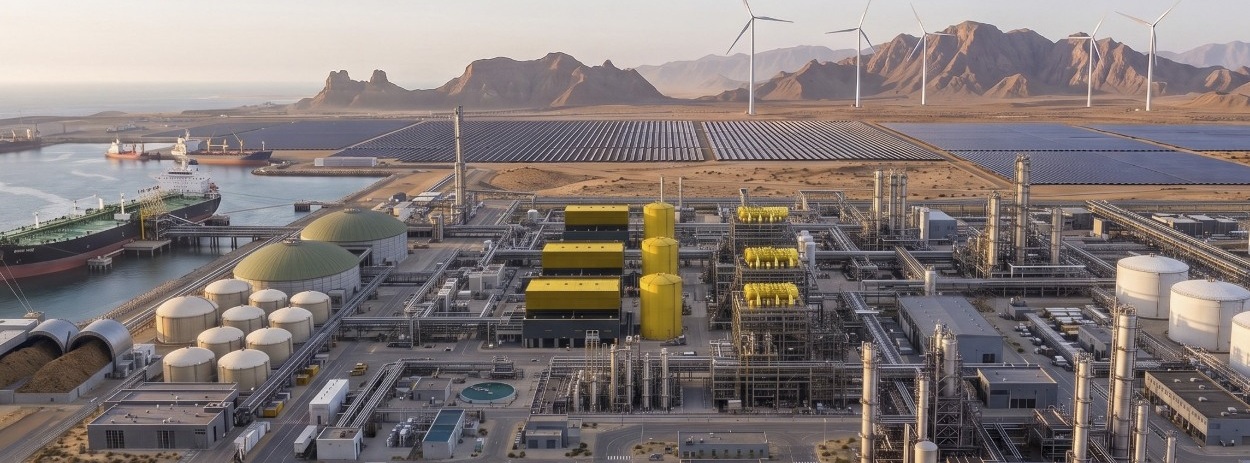
Zurich-based synthetic fuel startup Synhelion has signed a MoU with the Moroccan government to develop a large-scale commercial plant in the country. Another Swiss synthetic fuel startup, Metafuels, opened a first-of-a-kind methanol-to-jet demo facility in August and has since signed a collaboration with MB Energy on its Turbe commercial-scale project. In South Africa, the Phelan Green Group says it has reached FID on the first phase of a 35,000-tonne eSAF project. Elsewhere in Europe, Arcadia eFuels has entered into a 10-year offtake agreement with Uniper for the purchase of eSAF from its proposed Denmark facility and the UK’s Carbon Neutral Fuels has signed a MoU with Energy Estate to explore a SAF project in Queensland, Australia. In the US, eSAF producer Twelve has secured a $45 million refinancing credit facility and in China, Carbonology has started construction of a 1,000-ton DAC to eSAF pilot plant.
Global aviation’s gross emissions to rise 87% by 2050 despite efficiency gains, forecasts IBA
28 September 2026
Despite a 20% gain in fuel efficiency of the global commercial passenger fleet, aviation’s absolute emissions are forecast to rise 87% by 2050, forecasts aviation market intelligence company IBA. It estimates direct tailpipe emissions from passenger aircraft will rise from 843 million tonnes of CO2 in 2025 to 1,583 MtCO2 in 2050. This, points out IBA, is gross tank-to-wake emissions, so not inclusive of emissions reduction benefits from the use of sustainable aviation fuels or the application market-based measures. The rise in absolute emissions will be driven by a 134% growth in global passenger traffic, measured in revenue passenger kilometres (RPK), and expansion of the commercial aircraft fleet to more then 56,000 aircraft over the period. IBA’s NetZero platform notes a growing divergence between absolute emissions and emissions intensity.
Air France shares results of large-scale North Atlantic contrail avoidance trial
25 September 2026
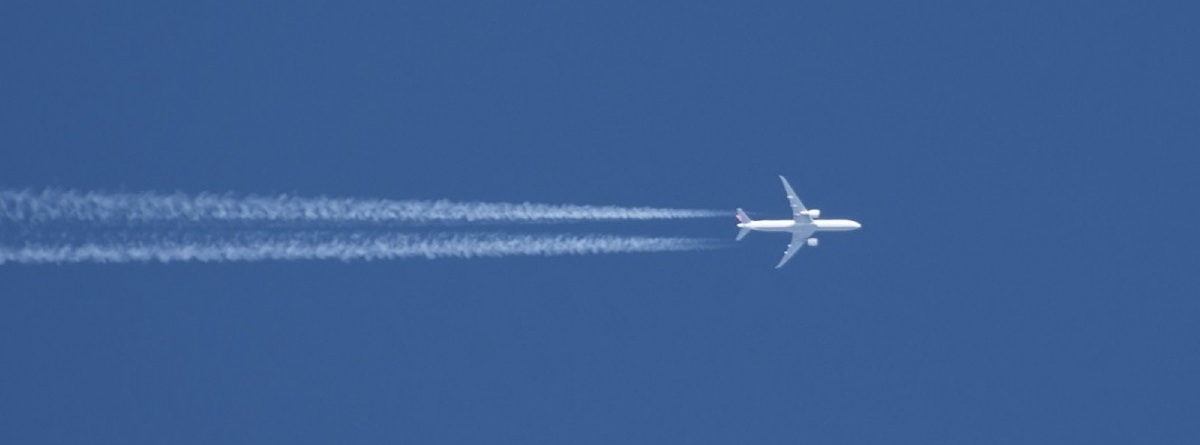
Air France has shared the results of a large-scale test programme to better understand and mitigate the impact of contrails. Carried out in collaboration with French startups Estuaire and Klima, the trial covered nearly 4,300 commercial flights operated over the North Atlantic, a region particularly prone to contrail formation. The targeted trial took place between February and April 2026, with the aim to identify and avoid areas with a high probability of persistent contrail formation. Drawing on weather conditions, Air France teams identified 245 flights with a high potential climate impact, for which alternative flight paths were calculated and assessed, and of these, 130 flights were ultimately rerouted. A key finding within the scope of the trial was that 3% of flights accounted for 25% of the total climate impact associated with contrails.
Over €400m in free EU ETS allowances given to airlines in 2025 to support SAF uptake
25 September 2026
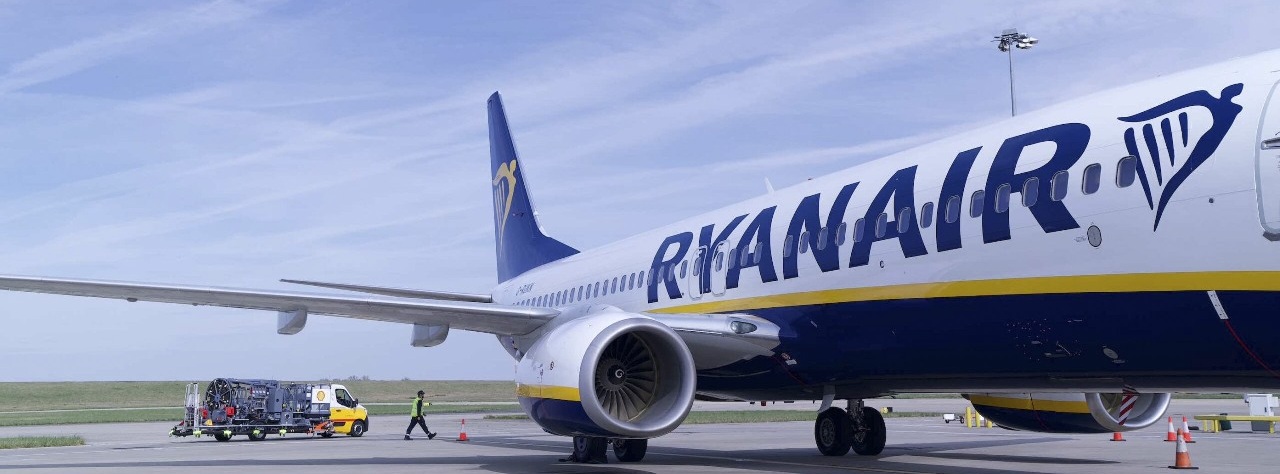
Around 5.2 million EU ETS allowances, worth approximately €430 million ($490m), have been distributed among 130 airlines and other aircraft operators to support sustainable aviation fuel uptake in 2025. Under a new Decision adopted by the European Commission, the 2025 support exceeds by more than four times the free allowances allocated in 2024 and is on top of a €135 million incentive resulting from the zero rating of SAF consumed by operators on routes subject to the EU ETS surrendering obligation. The total amount of biofuels and advanced biofuels claimed in 2025 was over 530,000 tonnes, contributing to about 1.7 million tonnes of CO2 abatement. The Commission has also published its final report on the review of the CORSIA international aviation carbon scheme that was the basis for its proposal presented in July to extend the scope of the EU ETS to flights departing to airports outside Europe.
EASA reports 2025 supplies of SAF exceeded first year of EU mandate
21 September 2026
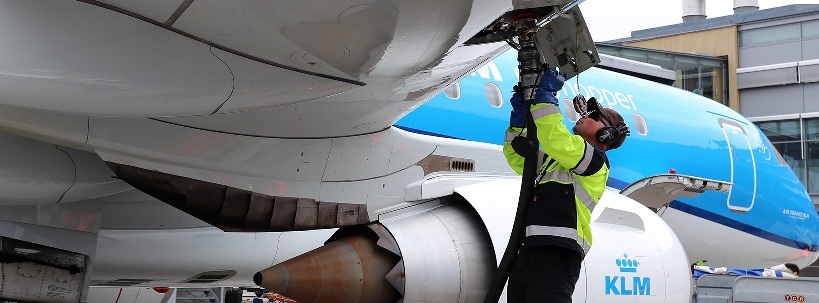
The supply of sustainable aviation fuel in the EU last year comfortably exceeded the ReFuelEU Aviation mandatory 2025 target of a minimum 2% share of total jet fuel supply, says EASA in its annual report on the implementation of the Union’s regulation. Aviation fuel suppliers reported supplying 39.3 million tonnes of aviation fuel at 121 airports across all EU member states in 2025, of which SAF accounted for 1.1 million tonnes, a 2.8% share. From a total of 193,000 tonnes in 2024 supplied at 33 airports, the supply of SAF increased sixfold last year, with 86% of all SAF supplied being produced within the EU. EASA reports the number of member states with operational or announced SAF production facilities increased to 18 in 2025.
United and FedEx sign agreements to extend SAF supplies and scale up use
17 September 2026
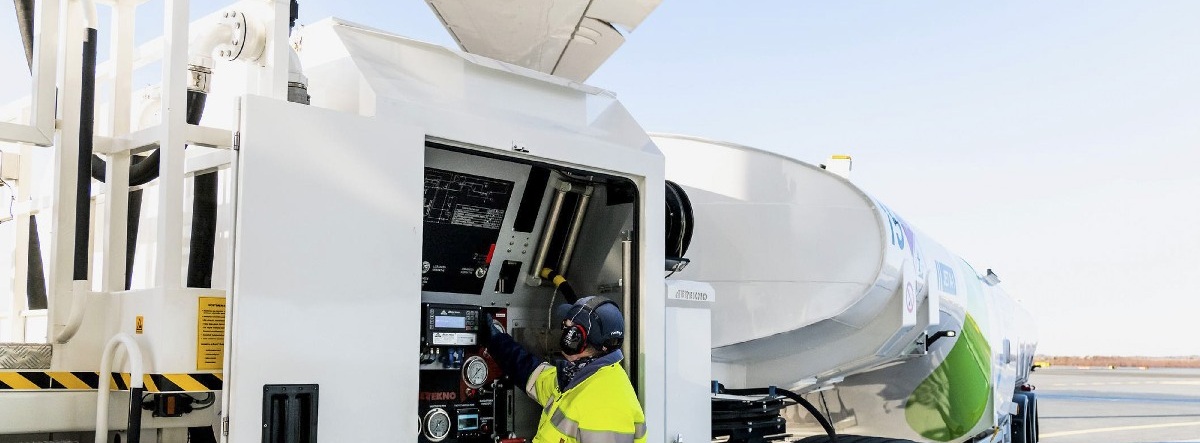
US carriers United Airlines and FedEx have signed agreements to increase access to supplies of sustainable aviation fuel. United has extended its existing agreement with Neste on the supply of blended SAF to flights departing Chicago O’Hare and Amsterdam Schiphol. Under the extension, Neste’s deliveries at Amsterdam began in June and continued through to August, while deliveries to Chicago O’Hare started in July and are planned to continue until June next year. FedEx is expanding its SAF procurement through new agreements with undisclosed suppliers that are projected to secure more than 20 million gallons of neat SAF across five US airports during 2027. In other US SAF news, Montana Renewables has announced a revised expansion of its facility that is expected to increase SAF production capacity to reach 200 million gallons annually by the end of 2028.
Transport NGOs call EU ETS aviation extension proposals a missed opportunity
16 September 2026
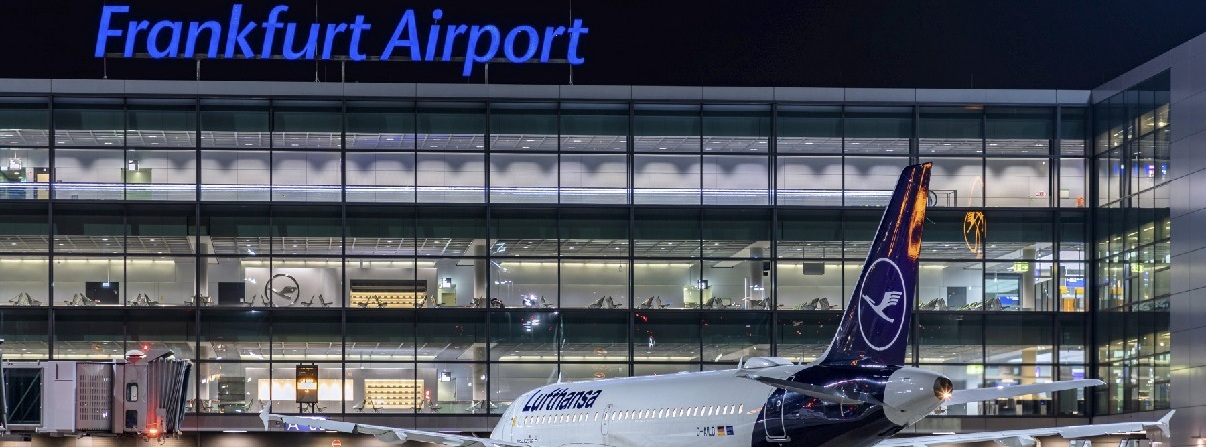
Analysis by Brussels-based NGO Transport & Environment (T&E) shows the recently released proposal from the European Commission to extend the scope of the EU Emissions Trading System (EU ETS) to all departing flights to airports within 5,000km of Frankfurt from 2029 would cover around 59% of Europe’s departing aviation emissions, up from 44% today. It says SAF allowances will offset part of the increase, reducing the proportion of priced emissions to 57%. Meanwhile, a report from another European NGO, Opportunity Green, in collaboration with research consultancy CE Delft, finds European airlines received a cumulative €10.9 billion ($12.5bn) in free EU ETS allowances between 2013 and 2025. Opportunity Green accuses the airlines of not lowering ticket prices as a result or contributing sufficiently to decarbonisation spending.

Heathrow expansion incompatible with climate targets, advises UK government watchdog
16 September 2026
The UK’s independent statutory Climate Change Committee has advised the government that expansion of Heathrow Airport is not currently compatible with the nation’s net zero target and carbon budgets. Under existing policy, UK aviation emissions would not fall at all from 2025 levels by 2050, forecasts the Committee in a 68-page report requested by the government. It says the only way expansion could be consistent is if ministers implement a “robust” set of policies requiring the aviation industry to reach zero emissions by 2050. This, it recommends, could be achieved through a combination of direct emissions reductions and the purchase of engineered removals. The most efficient way to reach net zero would be for the cost of decarbonising aviation to be reflected in the cost of flying, it argues.
Cathay Pacific trials Google’s AI-powered contrail avoidance technology across its network
9 September 2026
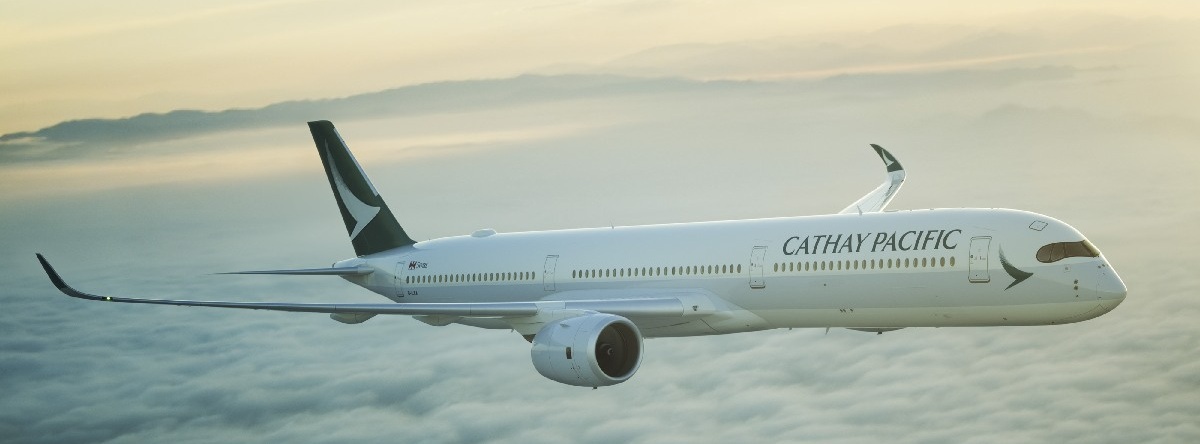
Hong Kong-based Cathay Pacific has become the first commercial airline in the Asia-Pacific region to partner with Google on advancing research on contrail avoidance and will be the first airline globally to test contrail avoidance on ultra-long-haul-flights. Using Google’s AI-powered contrail mitigation technology, the companies have started trials to evaluate the operational feasibility and constraints of contrail avoidance across Cathay’s network. An operational trial began in late 2025 with more than 100 flights targeted. Over 80 of these flights were selected to follow contrail avoidance routes and Google estimates they achieved roughly a 40% reduction in the warming impact of contrails. The Hong Kong-Singapore corridor, where persistent contrails frequently form, was one of the routes tested.
Nova Pangaea takes major step towards commercial-scale SAF production
7 September 2026
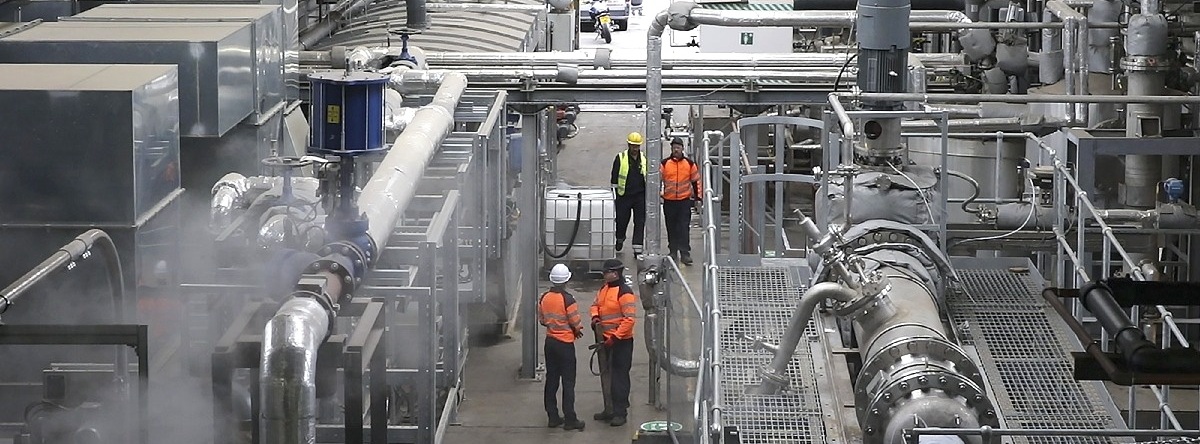
UK SAF developer Nova Pangaea Technologies reports it has successfully completed endurance trials at its Teesside demonstration plant to further validate its process of producing sustainable aviation fuel from waste biomass. The company says the trials, which used softwood residues from timber processing, showed continuous stable operation in production runs of up to 72 hours and achieved above target yields. Nova Pangaea is working with British Airways and LanzaJet on Project Speedbird to produce carbon-negative aviation fuel from local waste biomass and has ambitions to construct four UK facilities to produce bioethanol for upgrading to SAF. Meanwhile, the UK Department for Transport, which has provided funding support for Speedbird, has released an updated comprehensive list of feedstocks, including wastes and residues, eligible under its SAF Mandate.
COMMENTARY: Why action lags ambition among States seeking SAF mandates
2 September 2026
The adoption and scale-up of sustainable aviation fuel remains one of the most intractable challenges in aviation decarbonisation. The International Civil Aviation Organization’s (ICAO) Long-Term Aspirational Goal (LTAG) projections suggest SAF could contribute up to 55% of required emissions reduction by 2050 under an optimistic scenario. In reality, production and adoption have tracked closer to the pessimistic forecast – a mere 15% contribution. Globally, meaningful uptake has occurred largely in the United States and Europe, both driven by aggressive public policy. Beyond these two poles, however, the picture is one of missed targets and diminished ambition. Underlying this are the real consequences of competitive disadvantages and administrative hurdles that face any smaller country or region seeking to follow suit, writes AirAsia’s Yap Mun Ching.
Syzygy signs agreement with World Bank arm IFC to advance Latin American SAF production
21 August 2026
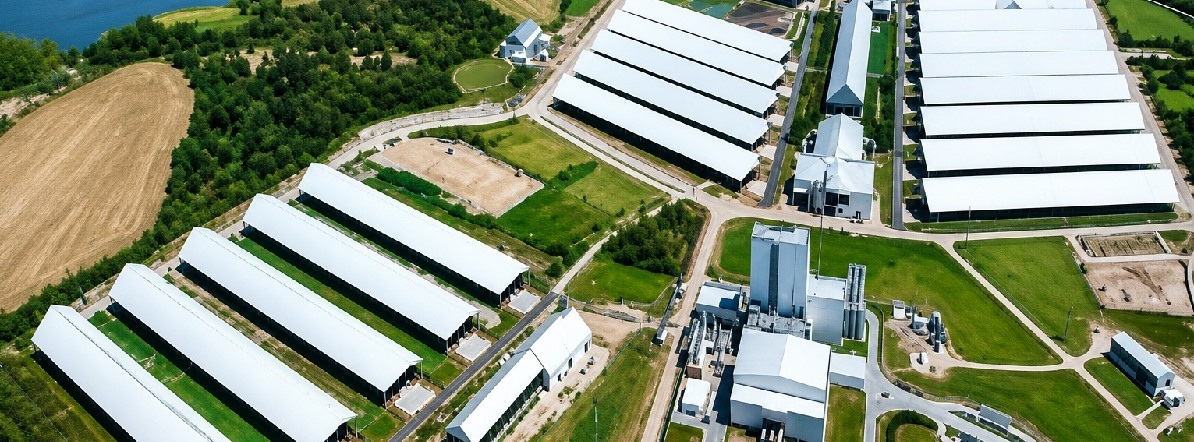
Syzygy Plasmonics has entered into a framework agreement with the International Finance Corporation (IFC), the private sector arm of the World Bank Group, to support the development of a pipeline of SAF projects across Latin America. IFC will provide technical and advisory services as Syzygy advances individual projects and the framework establishes a pathway for further collaboration as the US-based SAF developer scales its SAF platform across the region. By combining its proprietary light-driven technology with Latin America’s abundant renewable energy resources, Syzygy says it is aiming to accelerate the commercialisation of SAF in emerging markets. The first project supported under the agreement is NovaSAF-1, a planned commercial-scale SAF facility in Durazno, Uruguay.
Asian SAF supply and feedstock deals signed in China and Vietnam
20 August 2026
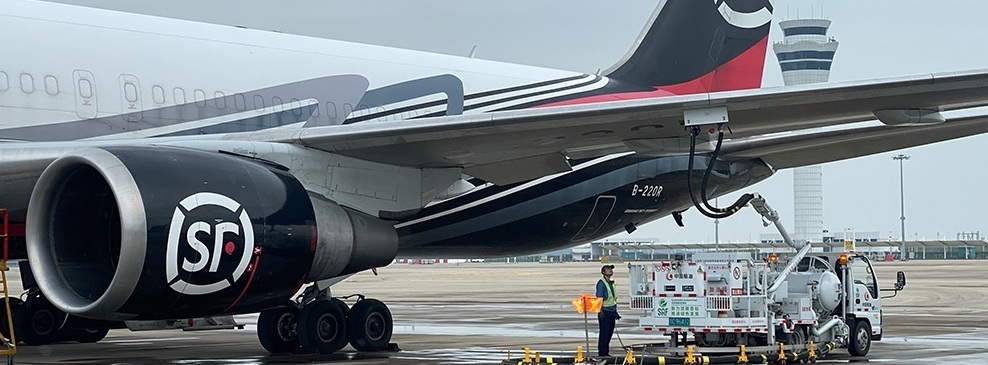
Renewable fuels company EcoCeres has partnered with SF Group and China National Aviation Fuel Group (CNAF) to supply blended sustainable aviation fuel for outbound freighter flights operated by SF Airlines. The programme, in which SAF produced by EcoCeres will be blended by CNAF, involves collaboration with the Second Research Institute of the Civil Aviation Administration of China (CASRI). The SAF will be supplied to SF Airlines’ cargo hub at Ezhou Huahu International Airport in Hubei, which is considered a key aviation gateway under China’s 14th Five-Year Plan for Port Development. Elsewhere in Asia, Malaysia-based FatHopes Energy has entered a strategic partnership with PetroVietnam Oil Corporation (PVOIL) to establish Vietnam’s first nationwide used cooking oil collection ecosystem that is expected to aggregate more than 200,000 tonnes of feedstock annually for SAF production.

UK consortium launches major government-backed oceanic contrail avoidance programme
18 August 2026
Starting this coming northern hemisphere winter, a UK-based consortium is to conduct the world’s first oceanic airspace-scale trial over a 30-month period, aimed at reducing the climate impact of aviation contrails. Operation Blue Skies comprises Google, the UK Department for Transport (DfT), the Met Office, NATS, Contrails.org, Imperial College London and the University of Cambridge. The programme will include two operational trials during winter testing windows in 2026/7 and 2027/8 across NATS-controlled Shanwick oceanic airspace, the eastern half of the North Atlantic corridor, which accounts for around 5% of global contrail warming. The consortium says around 10,000 flights will pass through the airspace during trial hours each year and a small percentage that would otherwise fly through contrail-sensitive areas will have their altitudes slightly changed by air traffic controllers.
EasyJet pilots to save fuel and emissions in switch from paper to digital fuel uplift
14 August 2026
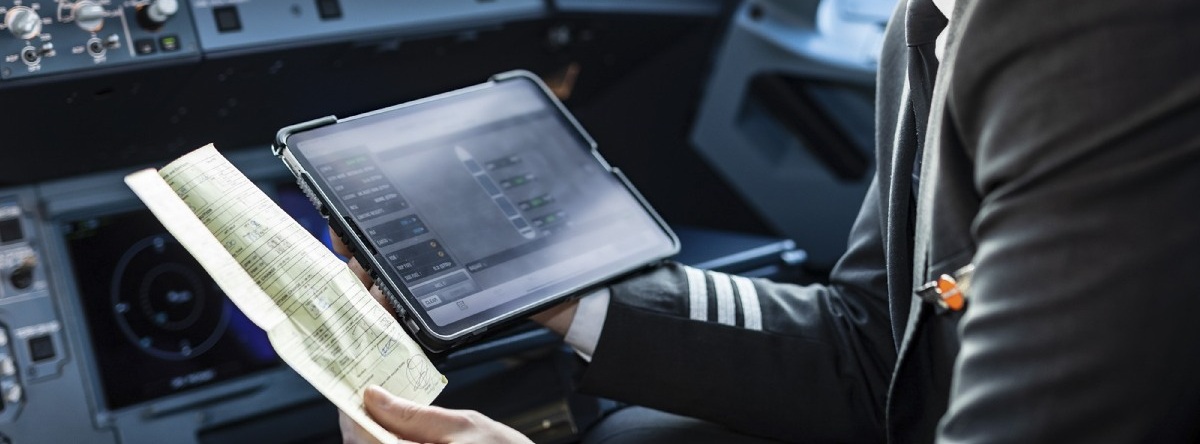
Low-cost airline easyJet is to deploy a new system from i6 Group that allows pilots to order and confirm fuel digitally, replacing a process that has traditionally relied on paperwork and manual data entry. By giving pilots more accurate fuel information, says easyJet, the technology can help make flights more efficient, cut unnecessary cost and also reduce fuel burn and emissions through weight savings. The eHandshake platform will create a complete digital record of fuel planning, ordering, delivery and acceptance that will help improve data accuracy and invoice verification. The technology will be integrated into easyJet’s ETechlog pilot platform and has the potential, says the carrier, to save around 10,000 tonnes of CO2 per year across full fleet deployment, as well as approximately 600,000 sheets of paper annually as a result of moving from paper-based processes.

More News & Features
Flying off into the sunset
Synthetic aviation fuel projects advance in Europe, Africa, US and China
Global aviation’s gross emissions to rise 87% by 2050 despite efficiency gains, forecasts IBA
Air France shares results of large-scale North Atlantic contrail avoidance trial
Over €400m in free EU ETS allowances given to airlines in 2025 to support SAF uptake
EASA reports 2025 supplies of SAF exceeded first year of EU mandate