

GreenAir’s roundup of the latest news and comment from around the world on efforts to reduce aviation’s climate and environmental impact

NEWS EXTRA
July/August 2026
The German press agency, dpa, reports the Federal Ministry of Transport is to impose penalties of €1,332 ($1,500) per tonne of SAF that airlines fail to use as required by the EU’s ReFuelEU SAF mandate. Applicable from the start of 2025, the mandate requires a 2% minimum blend of SAF be available at EU airports, then rising to 6%, with a separate 1.2% eSAF requirement, in 2030.
Synhelion has been selected for funding under the Produktives.NRW programme of the German state of North Rhine-Westphalia, which will support the construction of a commercial demonstration plant for renewable synthetic fuels, including eSAF, in Jülich, Germany. Having established its first plant, DAWN, to validate the technology at industrial scale, the next plant will establish commercial operability and “make the technology bankable,” says the company.
Lufthansa Technik (LHT) and partner Surventis are testing a new generation of material attached to wings and tail surfaces that aims to reduce fuel consumption and CO2 emissions by around 1%. A total of 22 long-haul aircraft from four Lufthansa Group airlines are already equipped with the AeroSHARK surface technology, saving 19 tonnes of fuel and 60 tonnes of CO2 daily. LHT will be testing 70 film patches, each measuring 20 x 20 cms, of the next-gen riblet technology on a Lufthansa City Airlines Airbus A319 operating between Munich and Hamburg through until February 2027.
Alfa Laval has been chosen by Acelen Renewables to supply pre-treatment technology to a proposed SAF production facility in the Brazilian state of Bahia. SAF will be produced from both traditional feedstocks such as soybean oil, tallow and used cooking oil, as well as macaúba, a native Brazilian crop. Alfa Laval will be supplying its heat exchangers and separators, and engineered components, and the technology for processing macaúba oil has been tested in the company’s laboratories in Denmark. The biorefinery is expected to begin operations in 2029, with a capacity to produce 1 billion litres of SAF as the main HVO product.
Electric aviation developer LYTE Aviation and aviation technical management services company AMROS have unveiled the PowerBridge HyVolt, a hybrid-electric propulsion system, as it advances towards plans for a 40-seat hybrid-hydrogen electric VTOL, called SkyBus, with a 1,000km range. LYTE is also developing a 4.5-tonne variant, the SkyTruck, and a flying hospital called SkyClinic. LYTE is aiming to get the eVTOL into operation “within the next few years”, with an eventual goal of going from hybrid-electric to fully electric.
Environmental commodities brokerage Emstream reports it has completed its second CORSIA carbon credit auction on behalf of European energy company SEFE, with a volume-weighted average price above $12.60/tCO2e and a highest price of $12.75. The Cambodia Improved Cookstove project carries an Article 6 label, CORSIA Phase 1 label, Letter of Authorisation, insurance and certified SDG co-benefits. “It is encouraging to see genuine demand returning to the market, with airlines looking to purchase credits, coupled with the additional clarity and support for CORSIA provided by the recent EU ETS announcement,” commented Nathan Dixon, VP Environmental Products, SEFE.
IATA’s Board of Directors has appointed Saadia Zahidi as its ninth Director General. She joins the global airline association from the World Economic Forum where she is a Managing Director and Member of the Managing Board. Zahidi will start in November, replacing Willie Walsh, whose term ends at the end of July. Sandrine Le Borgne, IATA’s CFO and SVP Corporate Services, will serve as Interim Director General for the intervening period.
The UK government’s export credit agency, UK Export Finance (UKEF), which supports businesses accessing finance, announced during the Farnborough Airshow measures to drive growth and decarbonisation across the aerospace sector. It includes broadening its eligibility criteria so that it can consider a wider range of financing options for UK-based SAF projects. UKEF said this would open the door to greater investment in the sector. “This welcome new measure is key to developing new onshore capabilities that will form the backbone of a more resilient, energy secure future for the country,” said James Hygate, CEO of Firefly, which is building a sewage-to-SAF facility in the UK.
H4 Marseille Fos, an eSAF project co-developed by Hy2gen France and French developer H2V, and the Rhône Décarbonation project have signed a strategic partnership agreement that secures 50% of the biogenic CO2 requirements of the eSAF project over the long term. The agreement marks the emergence of the first structured CCU value chain in France, say the partners. Final investment decision is targeted for 2028 and from 2032, the plant will produce 75,000 tonnes of eSAF per year using methanol-to-jet technology and is expected to make a substantial contribution to the EU’s mandated 10% eSAF share in aviation fuels by 2040. The joint venture has also signed a 10-year nuclear power supply agreement with EDF.
Malaysian SAF developer FatHopes Energy has entered into a strategic partnership with Spain-based renewable feedstock specialist UCO Trading, which will supply more than 200,000 tonnes per year of waste-based feedstocks through its global sourcing network, subject to definitive agreements and project milestones. The collaboration will leverage diversified supply channels across the Americas, Europe and predominantly Asia. UCO Trading’s compliance-led operating model is built around ISCC-certified chain-of-custody, rigorous supplier due diligence and comprehensive traceability systems.
The Green Cabin Alliance has opened membership for Airline Allies, a new collaborative initiative designed to help airlines accelerate the transition towards more sustainable and circular aircraft cabins. It will bring airlines alongside the GCA’s existing membership base of manufacturers, suppliers, designers, material innovators and other industry stakeholders to tackle shared sustainability challenges to help, says GCA, transform the aircraft cabin from a traditionally linear model into a more circular and environmentally responsible part of aviation. Cabin sustainability remains a largely untapped opportunity, it says, and the initiative aims to address the challenge by giving airlines a central role in shaping practical solutions and encouraging greater collaboration across the aviation ecosystem.
Air Canada and Airbus have launched an initiative to establish a jointly funded Sustainability Co-Investment Platform. They will invest up to CAD 13.7 million ($10 million) through the platform to support a commercial-scale SAF industry in Canada. A key focus area includes accelerating a jointly agreed Canadian SAF project towards a final investment decision. Additionally, the initiative includes a vehicle for corporate partners to stimulate domestic SAF demand through Air Canada’s Leave Less Travel Program, in which Airbus has signed a five-year agreement. Airbus will purchase SAF environmental attributes associated with over 60,000 litres of SAF for its first allocation.
ETFuels has selected the Port of Immingham in northeast England as the location for its Project Kings Road Humber (formerly called Project SkyFuel), a methanol-to-jet refinery converting e-methanol into SAF for UK supply and export. The facility will have direct access to the Humber’s extensive fuel storage, pipeline and distribution infrastructure to provide connections into the UK’s aviation fuel supply network, as well as Immingham’s deep-water port facilities. The project will have access to ETFuels’ Texas production platform of low-cost e-methanol and create up to 1,000 construction jobs and 400 permanent skilled engineering, operations and manufacturing roles.
Rolls-Royce, Boeing and Lufthansa are partnering to test technologies to improve fuel efficiency and reduce noise. The research is focusing on a novel engine inlet with advanced acoustic treatments. The inlet enables the integration of more fuel-efficient engines onto future platforms and reduces weight as well as drag while maintaining the acoustic performance. The other testing involves modified departure and arrival procedures that aim to reduce community noise around airports. The tests in Glasgow, Montana, are taking place on the newest Boeing ecoDemonstrator flying test bed, a Rolls-Royce Trent 1000-powered Boeing 787-9 scheduled to be delivered to Lufthansa at a later date.
Syzygy signs agreement with World Bank arm IFC to advance Latin American SAF production
21 August 2026
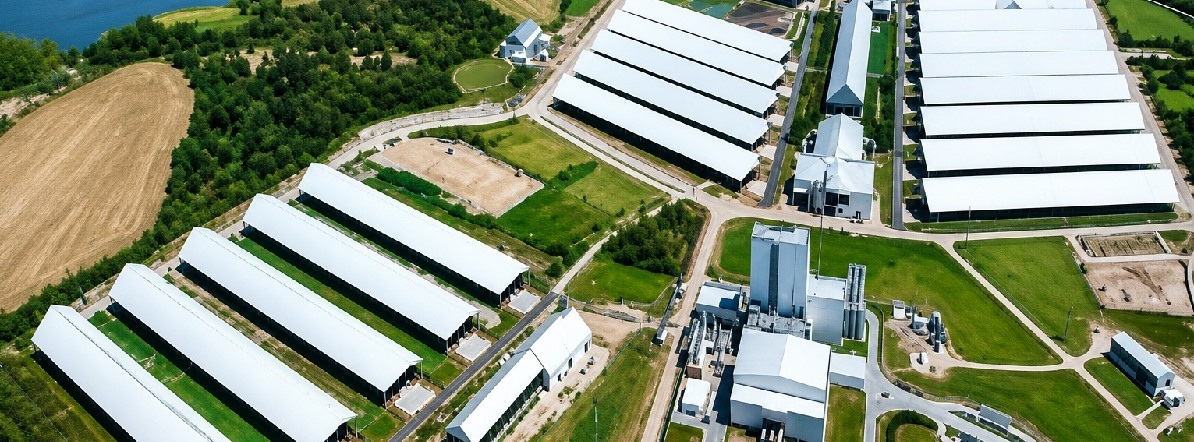
Syzygy Plasmonics has entered into a framework agreement with the International Finance Corporation (IFC), the private sector arm of the World Bank Group, to support the development of a pipeline of SAF projects across Latin America. IFC will provide technical and advisory services as Syzygy advances individual projects and the framework establishes a pathway for further collaboration as the US-based SAF developer scales its SAF platform across the region. By combining its proprietary light-driven technology with Latin America’s abundant renewable energy resources, Syzygy says it is aiming to accelerate the commercialisation of SAF in emerging markets. The first project supported under the agreement is NovaSAF-1, a planned commercial-scale SAF facility in Durazno, Uruguay.
Asian SAF supply and feedstock deals signed in China and Vietnam
20 August 2026
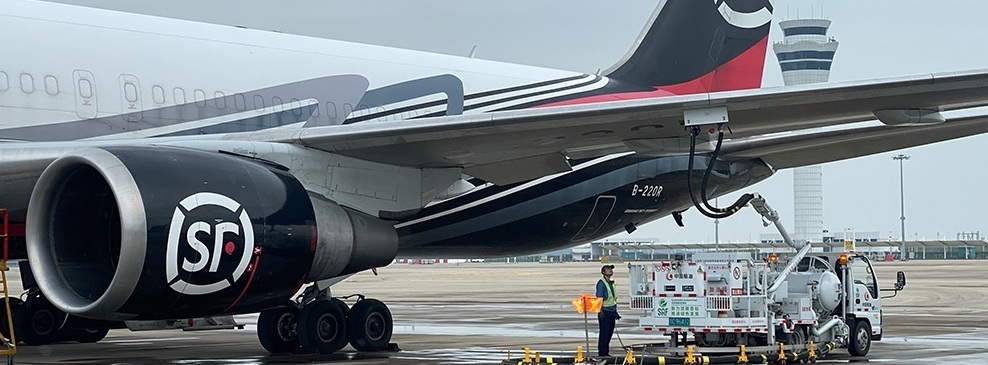
Renewable fuels company EcoCeres has partnered with SF Group and China National Aviation Fuel Group (CNAF) to supply blended sustainable aviation fuel for outbound freighter flights operated by SF Airlines. The programme, in which SAF produced by EcoCeres will be blended by CNAF, involves collaboration with the Second Research Institute of the Civil Aviation Administration of China (CASRI). The SAF will be supplied to SF Airlines’ cargo hub at Ezhou Huahu International Airport in Hubei, which is considered a key aviation gateway under China’s 14th Five-Year Plan for Port Development. Elsewhere in Asia, Malaysia-based FatHopes Energy has entered a strategic partnership with PetroVietnam Oil Corporation (PVOIL) to establish Vietnam’s first nationwide used cooking oil collection ecosystem that is expected to aggregate more than 200,000 tonnes of feedstock annually for SAF production.

UK consortium launches major government-backed oceanic contrail avoidance programme
18 August 2026
Starting this coming northern hemisphere winter, a UK-based consortium is to conduct the world’s first oceanic airspace-scale trial over a 30-month period, aimed at reducing the climate impact of aviation contrails. Operation Blue Skies comprises Google, the UK Department for Transport (DfT), the Met Office, NATS, Contrails.org, Imperial College London and the University of Cambridge. The programme will include two operational trials during winter testing windows in 2026/7 and 2027/8 across NATS-controlled Shanwick oceanic airspace, the eastern half of the North Atlantic corridor, which accounts for around 5% of global contrail warming. The consortium says around 10,000 flights will pass through the airspace during trial hours each year and a small percentage that would otherwise fly through contrail-sensitive areas will have their altitudes slightly changed by air traffic controllers.
EasyJet pilots to save fuel and emissions in switch from paper to digital fuel uplift
14 August 2026
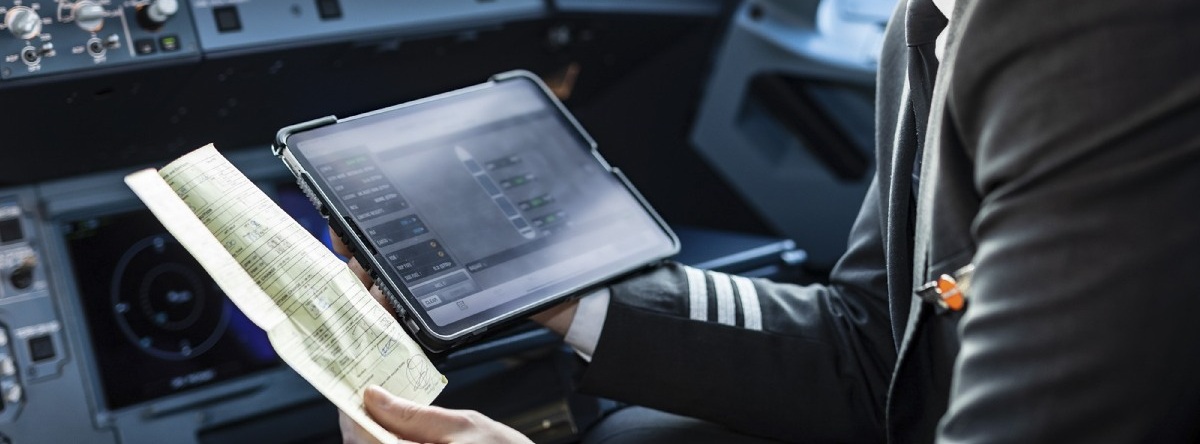
Low-cost airline easyJet is to deploy a new system from i6 Group that allows pilots to order and confirm fuel digitally, replacing a process that has traditionally relied on paperwork and manual data entry. By giving pilots more accurate fuel information, says easyJet, the technology can help make flights more efficient, cut unnecessary cost and also reduce fuel burn and emissions through weight savings. The eHandshake platform will create a complete digital record of fuel planning, ordering, delivery and acceptance that will help improve data accuracy and invoice verification. The technology will be integrated into easyJet’s ETechlog pilot platform and has the potential, says the carrier, to save around 10,000 tonnes of CO2 per year across full fleet deployment, as well as approximately 600,000 sheets of paper annually as a result of moving from paper-based processes.
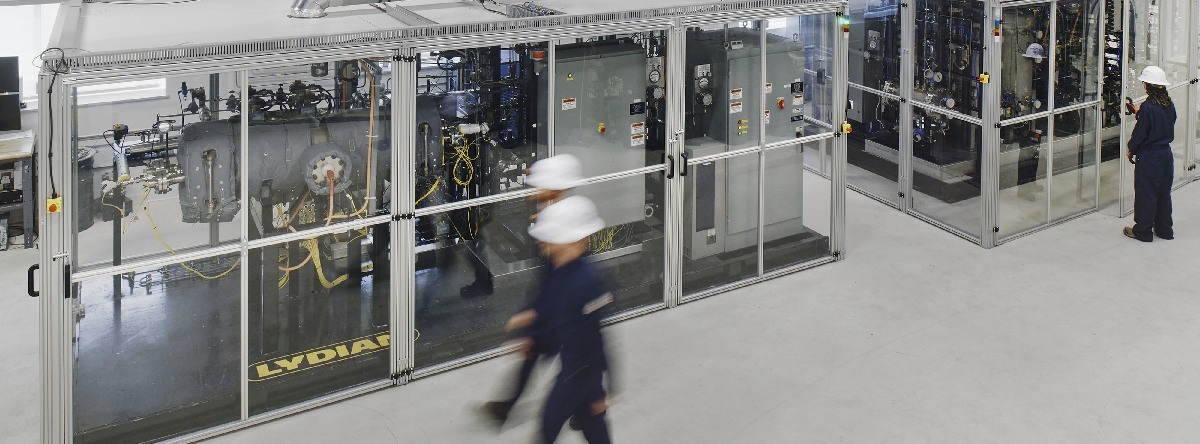
Low-cost eSAF developer Lydian raises $43m in financing round backed by BEV airline fund
12 August 2026
US eSAF startup Lydian has announced the close of a $43 million Series A funding round led by Breakthrough Energy Ventures (BEV), which also marks the first investment by the oneworld BEV Fund, a strategic fund supported by leading airlines to boost the global availability of sustainable aviation fuels. The financing will support advancement of Lydian’s PIVOT production platform that the company says will enable developers to build and operate synthetic fuel facilities at lower cost than conventional approaches and also a direct path for customers to buy fuel from Lydian’s own future projects. Its technology is already operating a tonne-scale pilot plant, with a commercial demo plant targeted for operation in 2028 and full-scale deployment expected in 2030.
UK aviation group plots route to net zero in updated decarbonisation roadmap
4 August 2026
UK cross-industry group Sustainable Aviation has released an updated version of its decarbonisation roadmap for the sector to achieve net zero emissions by 2050 based on several potential scenarios. Its analysis shows that sustainable aviation fuel is expected to remain the single largest driver of emissions reduction, accounting for 65% of total aviation fuel use by 2050 under a central scenario. The target would deliver lifecycle emissions savings of around 80% and contribute around 31% of total decarbonisation. Further carbon reductions would be delivered through fleet renewal (20%), airspace and operational upgrades (4%), and a gradual moderation of demand growth (15%), with GHG removals (GGRs) accounting for the remainder. However, says the group, the reductions will require the right policy environment to be in place.
Farnborough Airshow highlights progress on electric and hydrogen propulsion for commercial aviation
24 July 2026
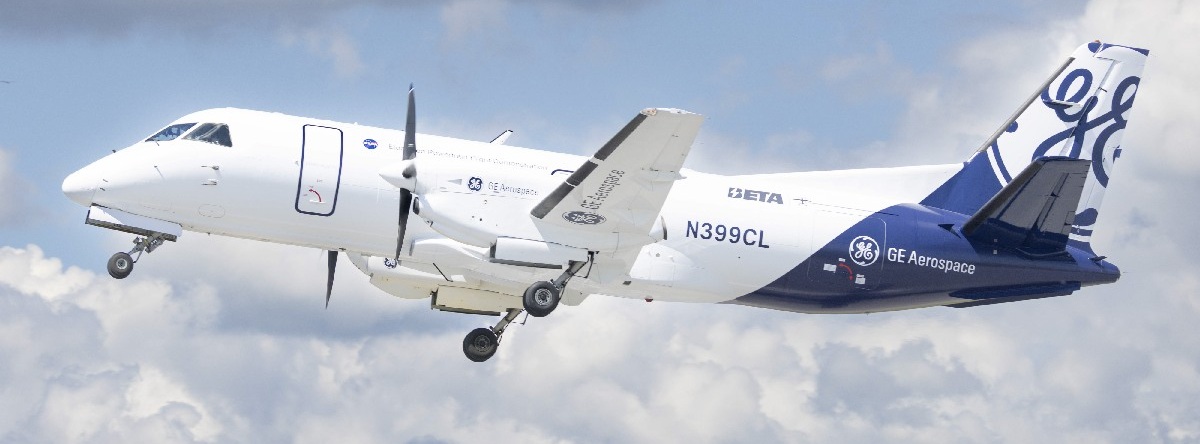
Significant advances in the development of commercial hybrid-electric and hydrogen aircraft involving major aerospace companies have been revealed at this year’s Farnborough Airshow. GE Aerospace announced the completion of first test flights of a hybrid-electric passenger aircraft at high altitude, reaching above 30,000 feet. The test campaign has been conducted in collaboration with NASA, Boeing’s Aurora Flight Sciences and BETA Technologies, a US early-stage electric aviation developer that also announced an agreement to deliver five ALIA CX300 CTOL electric aircraft to UK regional carrier Loganair. Airbus, meanwhile, says it is joining the EU-supported LEIA project that aims to advance high-voltage generation and distribution for electrical aircraft systems for short-to-medium range aircraft. French aerospace manufacturer Safran said it would partner with ZeroAvia to advance hydrogen-electric propulsion technologies for aviation, and the UK government announced funding for hydrogen aviation developers.
Boeing signs MoU with state-owned Pertamina to explore SAF development in Indonesia
22 July 2026
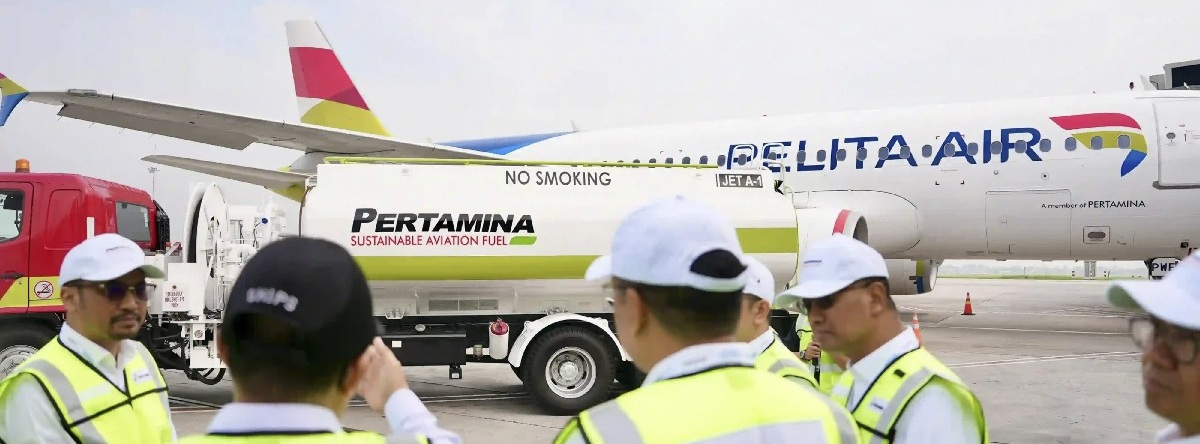
Indonesian state energy company Pertamina has signed a MoU with Boeing to explore opportunities for developing a sustainable aviation fuel ecosystem in the country. Under the agreement, the partners will collaborate on identifying potential feedstock sources, advancing technology and supporting the progress of policies needed to accelerate SAF implementation. As part of the Asta Cita strategic vision of Indonesia’s President Prabowo Subianto, SAF development is seen as a key pathway to reducing carbon emissions from the aviation sector. According to the ASEAN 2050 SAF Outlook report, the nation ranks in the top three countries in Southeast Asia for its SAF potential, with a possibility of becoming a net SAF exporter by 2040 and a surplus estimated of up to 2.2 million barrels of SAF per day by 2050.
Commission proposes a limited extension of the ETS to international departing flights from Europe
17 July 2026
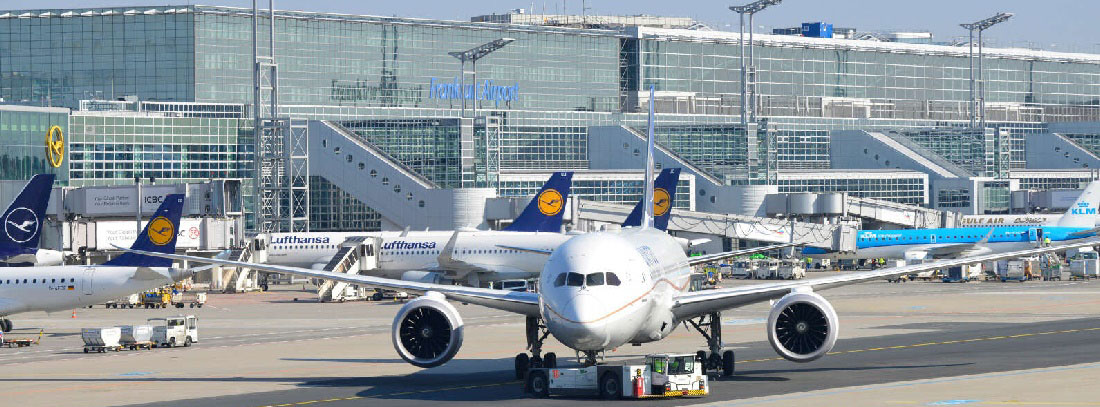
In its wide-ranging review of the EU Emissions Trading System (ETS), the European Commission has proposed expanding the scope of the ETS to cover all flights departing the European Economic Area (EEA) and landing in third countries no further than 5,000 kilometres from the “largest aerodrome in the geographical centre of the Union”. The Commission says this expansion is as a result of its impact assessment finding ICAO’s CORSIA carbon offsetting scheme for international aviation is not as yet sufficiently robust. It says it will carry out a new assessment in 2032 on CORSIA implementation, which could lead either to the ETS reverting back to the current intra-EEA scope or expanding it to include all departing flights. The Commission pledges to significantly reinforce ETS-funded support for sustainable aviation fuels, cleaner propulsion technologies, hydrogen and electrification.
Extending the EU ETS to all international flights departing Europe could raise $10bn a year, finds ICCT study
15 July 2026
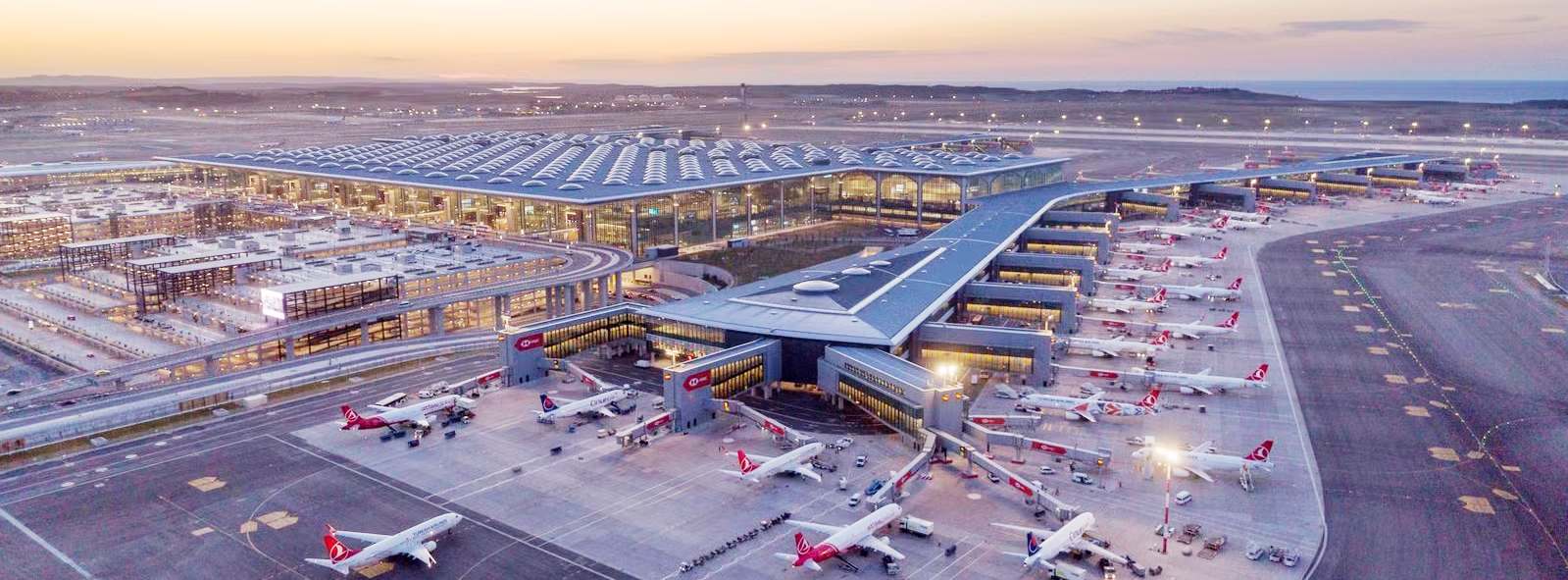
With the European Commission’s reveal of its long-awaited review of the EU Emissions Trading System (EU ETS) just days away, lobbying by climate and industry groups for and against an extension of the scheme to include carbon emissions from flights to destinations outside Europe has been intense. UN agency ICAO has also entered the debate with a plea to its member states, without naming the EU specifically, to maintain a globally harmonised approach to address international aviation emissions through its CORSIA carbon offsetting scheme. Industry argues that extending the scope of the EU ETS would damage CORSIA as it moves from the voluntary to the compliance phase, as well as add higher costs to airlines. Climate lobbyists contend the extension would properly price aviation emissions while bringing in extra revenue for climate action. A new study by ICCT estimates such a move could raise around €9 billion ($10.3bn) a year.
UK government releases pricing mechanism strategy and timelines to support SAF production
13 July 2026
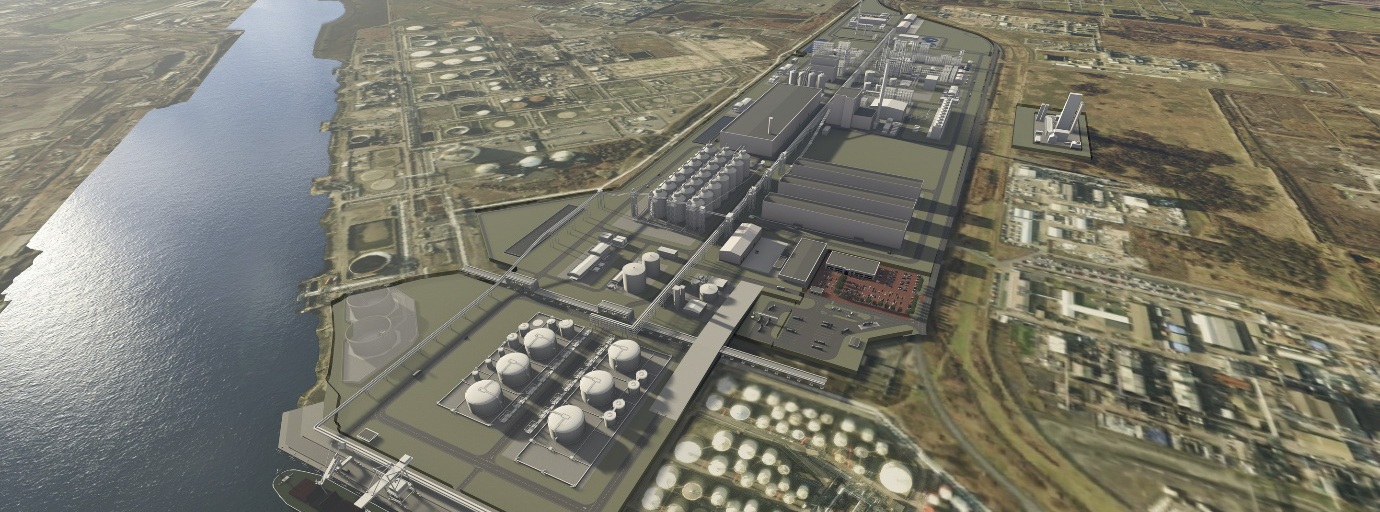
The UK’s Department for Transport has published details of its proposed strategy for allocating contracts under the Revenue Certainty Mechanism (RCM), which is intended to give advanced sustainable aviation fuel producers and investors the confidence they need to build and scale first-of-a-kind SAF production plants in the UK. Contracts will be allocated in rounds, with the first, SAF Allocation Round 1 (SAF AR1), open for applications from Q1 2027, shortlisted projects announced from Q4 2027 and contracts awarded from Q4 2028. The proposed size of SAF AR1 will have the aim of supporting up to 230,000 tonnes of annual SAF production capacity. A larger and more technology diverse second round is likely to take place a year after SAF AR1 contracts have been awarded.
High altitude testing of a 100% SAF-powered Gulfstream business jet shows significant non-CO2 benefits
10 July 2026
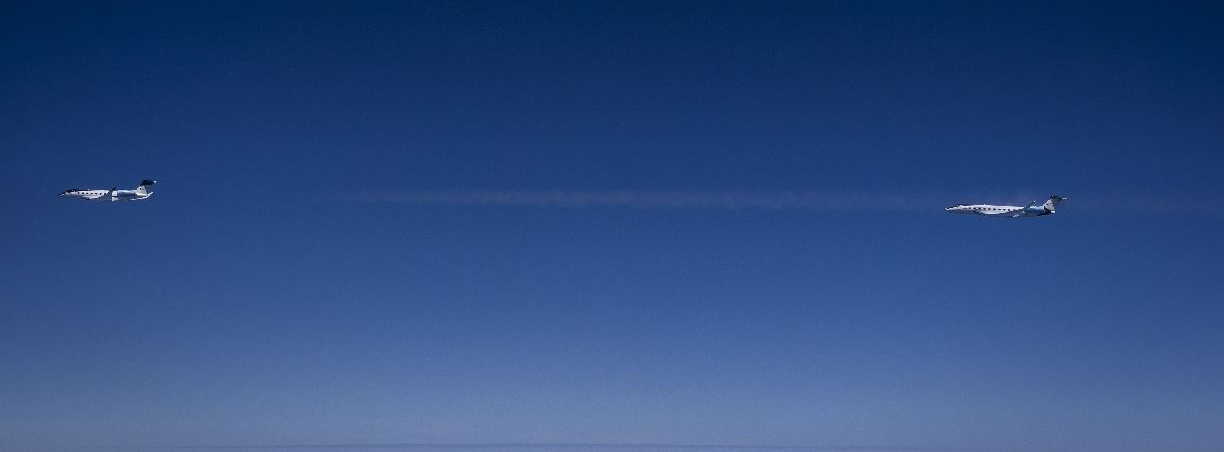
Preliminary results from high altitude testing of a Rolls-Royce Pearl 700-powered Gulfstream G800 business jet suggest a significant measurable reduction in the particulate emissions that contribute to contrail formation when operating on neat sustainable aviation fuel. The test campaign, which marked the first 100% SAF flight of the aircraft and engine type, was designed to isolate how fuel composition influences non-CO2 emissions. The G800 was paired with a specially modified G700 transformed into a flying emissions measurement laboratory. The Gulfstream campaign was conducted in collaboration with the FAA’s Center of Excellence (ASCENT), NASA, the German Aerospace Center (DLR), Missouri University of Science and Technology, Aerodyne Research, Rolls-Royce, SAF supplier Montana Renewables and World Fuel Services.

Airbus and MTU form joint venture to develop a fully electric hydrogen fuel cell engine
9 July 2026
Following a MoU signed a year ago, Airbus and MTU Aero Engines have now agreed to create a joint venture to develop and commercialise a fully electric hydrogen fuel cell engine. The partners say they aim to accelerate technology development, design, testing and certification of a “revolutionary” propulsion system for aviation. The non-binding agreement is subject to standard regulatory approvals and completion of “social processes” at European and national levels, with operations expected to start in 2027. Last year, MTU said it was making good progress with its Flying Fuel Cell programme and had successfully tested its eMoSys electric motor. Airbus launched its ZEROe project in 2020 to explore the feasibility of two primary hydrogen propulsion technologies: hydrogen combustion and hydrogen fuel cells. Last year it announced it would focus on the latter.
Deutsche Bank to reduce business travel emissions through SAF deal with Lufthansa Group
8 July 2026
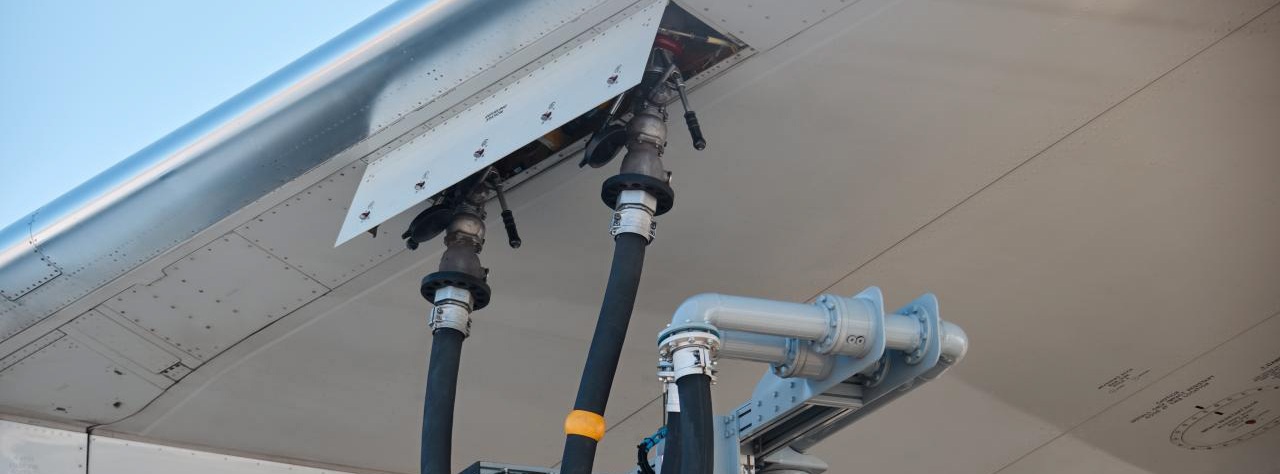
Deutsche Bank is to invest in the deployment of 1,600 tonnes of sustainable aviation fuel with the Lufthansa Group as part of the bank’s efforts to reduce its business travel emissions. The estimated emissions savings of around 5,500 tonnes of CO2 is equivalent to the emissions from 520 flights between Frankfurt and London operated by an Airbus A320neo. Through SAF bulk deals, companies can procure larger quantities of SAF from the Group and from an investment of €2,000 or more, they receive a Scope 3 certificate for CO2 savings in accordance with the Greenhouse Gas Protocol standard. With the Group’s Sustainable Corporate Value Fare, business customers can contribute to saving up to 30% of future CO2 emissions by SAF. Across all its corporate customer products, around 1,700 companies worldwide invested in SAF with the Group in 2025.

More News & Features
Flying off into the sunset
News Roundup September 2026
Synthetic aviation fuel projects advance in Europe, Africa, US and China
Global aviation’s gross emissions to rise 87% by 2050 despite efficiency gains, forecasts IBA
Air France shares results of large-scale North Atlantic contrail avoidance trial
Over €400m in free EU ETS allowances given to airlines in 2025 to support SAF uptake