






GreenAir’s roundup of the latest news and comment from around the world on efforts to reduce aviation’s climate and environmental impact
NEWS EXTRA
June 2026
 UK-based algae biofuel company HutanBio has signed a strategic MoU with Utopia World Investment and Wakud International to develop a commercial one-hectare demonstration plant in Oman to produce biocrude that would support the production of SAF. HutanBio says it has undertaken 18 months of successful external pilot cultivation in Malaysia and claims its net-negative biocrude requires only limited refining to meet ASTM standards. Its “new-to-science” marine microalgae organism, called Sphaerica, is cultivated using controlled automation at coastal sites using seawater and sunlight. Wakud will undertake testing at its Oman biorefinery and act as the initial offtake partner. The partners plan to scale up to a 1-square-km FOAK site in 2029.
France’s Axens is to collaborate with Green Sky Capital for the development of a 200,000 tonnes per annum SAF production facility in Egypt, which they say will be the first across Africa and position the country as a strategic renewable fuels hub for the Mediterranean and African markets. The project will produce SAF from lipid-based feedstocks through local sourcing of used cooking oil. Axens will provide its proprietary Vegan HEFA technology, integrated catalyst and adsorbent solutions, together with operational support and training services. Axens and GSC have also entered into a broader strategic MoU focused on further enhancement and optimisation. Axens is also providing Vegan to UAE-based clean energy company Dragonfly for the development of several SAF production facilities in Africa and the Caribbean.
CATAGEN’s Net Zero Campus in Belfast hosted 170 executives, including the CEO, from VINCI Airports, which is supporting SAF deployment at its 18 airports. CATAGEN’s SAF company, ClimaHtech Green Flight, showcased its patented BIOHGEN and E-FUEL GEN reactor technologies. Each ClimaHtech system is prefabricated, rapidly deployable, powered directly by renewable electricity and optimised to match local energy and feedstock availability, an approach intended to support the production of SAF closer to available resources and airport demand. The company has perpetual IP rights for two SAF pathways, PBtL and PtL, using CATAGEN’s electrically driven reactor, a biohydrogen reactor and an e-fuel reactor. In May, it signed a 15-year SAF offtake agreement with UK regional airline Loganair, and plans to start supplying SAF by 2029.
LATAM Airlines Group has completed its first passenger charter flights linked to SAF usage, resulting in a reduction of around 160 tons of CO2 emissions associated with flights operated in partnership with French exploration voyages company PONANT EXPLORATIONS. The operation consisted of 13 flights between Santiago, Chile and Ushuaia, Argentina, to which 22,400 gallons of SAF were allocated under book-and-claim. The fuel allocated for the project was Neste MY SAF, with a lifecycle emissions reduction of 74.72% compared with conventional jet fuel.
EUROCONTROL has released a major upgrade of its FlyingGreen fully open access sustainability analysis platform, which introduces new analytical modules, deeper scenario capabilities, enhanced methodological transparency, expanded data export functionality and stronger support for sustainable finance and climate adaptation planning. It adds new functionalities across the platform’s four pillars: NetZero, FuellingDecarb, ClimAdapt and DecarbFin. These additions, says EUROCONTROL, help users connect sustainability objectives with financing opportunities, regulatory developments and reporting requirements.
ACI Europe, the industry body representing European airports, reports 328 airports in 38 countries, accounting for 83% of European passenger traffic, have now committed to achieving net zero emissions by 2050 under their direct control (Scopes 1 and 2). Thirty-six airports have already achieved the target, more than double the number reported last year. As well, 106 airports have set a goal of achieving net zero by 2030. Airports’ commitments need to be underpinned by a publicly available roadmap detailing measurable goals towards delivering their target and so far roadmaps from 109 airports have been submitted.
Hydrogen fuel cell manufacturer Intelligent Energy reports it has successfully completed the UK’s flagship £54 million ($70m) H2GEAR aviation research programme, led by GKN Aerospace and supported by the Aerospace Technology Institute, the Department for Business and Trade, and Innovate UK. Intelligent Energy said it would now apply the technology, expertise and infrastructure developed through the project to its next phase covering commercial hydrogen fuel cell systems for zero-emission aircraft.
Dublin-based Future Energy Global has addressed the lifecycle carbon footprint of its 2025 corporate business travel through a book-and-claim structure involving Delta Air Lines and US SAF producer Montana Renewables. Under the process, FEG claims the Scope 3 carbon reduction through the purchase of SAF Scope 3 certificates, while Delta claims the direct emissions reduction for its own operations.
PyroCCS, a German industrial biochar and pyrolysis platform that turns excess biomass into high-volume biochar, verified carbon removal credits and bioproducts including bio-oil that can be upgraded into SAF, is one of 16 global winners of Tencent’s CarbonX climate tech programme. The Chinese IT and entertainment company’s programme focuses on funding and scaling breakthrough solutions for the world’s hardest-to-abate sectors. The 16 winners will share a total of nearly $30 million in catalytic funding.
The UK’s Department for Transport (DfT) has announced it will make available £93 million ($123m) to help UK companies develop and scale up SAF production as part of a new £219 million low carbon fuels fund aimed at positioning the UK as a global hub for low carbon fuels, supporting 15,000 jobs and adding £5 billion to the economy by 2050. The DfT has also published its response to a public consultation on the design features of the aviation fuel supplier levy which will fund the Revenue Certainty Mechanism that aims to help SAF producers in the UK secure investment. The document sets out the government’s preferred position and is published alongside a second levy design consultation on industry views to finalise the design of the scheme.
TAAG Angola Airlines has joined the IATA CO2 Connect initiative, a global platform for the accurate calculation and transparent reporting of CO2 emissions across the aviation industry. The collaborative solution enables more precise carbon emissions calculations by using real operational data provided directly by participating airlines, including fuel consumption, aircraft types, cabin configurations and specific flight operations. TAAG said joining the initiative would provide it with a competitive advantage in international tenders, corporate agreements and institutional contracts, particularly with clients that prioritise ESG criteria.
Phelan Green Hydrogen has licensed technologies from Johnson Matthey for its planned eSAF facility in South Africa’s Western Cape, where construction is expected to begin by the end of 2026. It is part of the wider Phelan Green Hydrogen Project that is expecting investment of R47 billion ($2.8bn) and the licence win represents the first phase of the project, with commercial-scale production of around 35,000 tonnes of eSAF each year, intended for sale into the mandated EU/UK markets. Once all phases are complete, the facility is expected to supply around 140,000 tonnes of eSAF in total each year.
A letter sent to the European Commission by 28 European e-fuel producers and electric flight developers, including members of the SASHA Coalition, calls for scaling up public investment into alternative fuels and electric, hydrogen-electric and hybrid flight by ending the exemption of flights departing Europe from the EU Emissions Trading System, a move currently under review by the Commission and due to be published in July. The signatories suggest revenues as great as €79 billion ($90bn) could be raised by lifting the exemption, a portion of which they say could be invested in Europe’s e-fuels sector and electric aviation startups.
Hong Kong-based EcoCeres has announced the extension of its SAF supply agreement with British Airways until 2030. Under the extension, EcoCeres says its SAF, produced from waste-based feedstocks, is expected to help the airline avoid 198,000 tonnes of lifecycle carbon emissions using the same volume of fossil jet fuel, equivalent to the carbon footprint of 341,000 round-trip economy class seats on flights between London and New York.
Scandinavian airline SAS is renaming its Conscious Traveler customer initiative to EuroBonus ChangeMakers in order to reflect a broader ESG perspective, it says, to ensure ChangeMakers connects to SAS’ work across environmental, social and governance priorities. It is designed to make it easier for travellers to take part in selected activities connected SAS’ ongoing work, adds the airline, including initiatives aimed at reducing climate impact through measures such as alternative aviation fuels.
Alfanar reports it has completed Front-End Engineering Design for its Lighthouse Green Fuels (LGF) SAF project in Teesside, north-east England, together with engineering partner Worley. The company says the advanced second-generation project is the first of its kind to complete FEED in Europe and the milestone significantly de-risks it ahead of Final Investment Decision, which is expected by the end of 2027. Operations are targeted to start in 2032 and Alfanar claims it will be one of the world’s largest SAF facilities and the first commercial-scale refinery to be built in the UK since the 1960s. It is expected to produce 180 million litres of SAF per year and 30 million litres of renewable naphtha from sustainably sourced biomass feedstocks, including forestry and agricultural residues.
Technip Energies, Airbus, Safran and Tereos have entered into an agreement to create Rebound, a joint venture to develop a SAF production project at the Port of Dunkirk in Northern France. The project will use the Alcohol-to-Jet pathway to produce around 160,000 tonnes of SAF per year, which the partners say will make it one of the largest facilities of its kind in Europe. Under the agreement, the partners have committed to fund the project’s development phase, including engineering studies and other activities required to consider a Final Investment Decision. Technip will act as lead developer and engineering service provider; Airbus and Safran join as industrial partners, offtake facilitators and potential SAF offtakers; and Tereos intends to source and supply the advanced ethanol required for the project.
Ahead of the upcoming review of the EU Emissions Trading System for aviation, the DESTINATION 2050 alliance of European aviation industry associations has sent an open letter to the European Commission urging it to maintain the current intra-EEA geographical scope of the EU ETS and “avoid unilateral expansion beyond existing coverage”. It calls for the reinforcement of CORSIA as the global carbon pricing framework for international aviation and for aviation-related EU ETS revenues to be reinvested into the sector’s decarbonisation, notably through SAF support mechanisms and the EU Innovation Fund.
Honeywell has announced it will deploy its modular Ecofining process technology at Acelen Renewables’ biorefinery project in Brazil, which is projected to produce up to one billion litres of SAF and renewable diesel per year, making it potentially one of the largest such facilities in the world. Honyewell says its modular delivery model is designed to shorten construction time and lower costs, enabling production up to six months sooner than traditional methods. Feedstock for the facility will come from indigenous macaúba oil, which can grow on degraded land, produces high yields of oil and does not require deforestation, said the company.
KLM Cityhopper, INERATEC, Hamburg Airport and MB Energy have collaborated to operate a passenger flight between Amsterdam Schiphol and Hamburg using a fuel blend containing 5% synthetic kerosene, or eSAF. INERATEC produced and hydrotreated the kerosene at its ERA ONE production plant in Germany, Europe’s first commercial-scale Power-to-Liquid facility. INERATEC recently received ISCC EU certification, which means its synthetic fuel can be counted towards binding RFNBO sub-targets.

SkyNRG’s latest market outlook finds a SAF industry moving from ambition to implementation
26 June 2026
The year 2025 marked a major step change in SAF market development as the industry transitioned from a primarily voluntary uptake towards one that is compliance driven, says SkyNRG’s latest annual SAF Market Outlook, produced in collaboration with consultancy ICF. With SAF mandates now in force across the EU and UK, and additional policy frameworks emerging worldwide, the report concludes regulation is creating the long-term demand certainty needed to unlock investment and accelerate production growth. However, while projected capacity appears sufficient to meet 2030 demand, the reliance on HEFA technology and feedstock availability is making the need to diversify harder to ignore, while a significant gap remains between ambition and project execution on advanced pathways. Against a backdrop of intensifying geopolitical instability, trade fragmentation and energy insecurity, many regions now see SAF as a strategic tool, say the report’s authors.
ANALYSIS: What an expanded EU ETS coverage could mean for airlines
24 June 2026
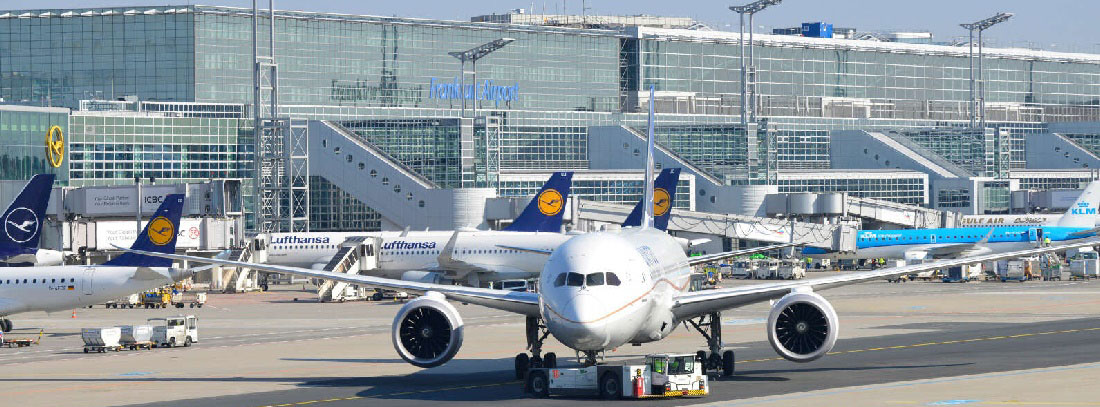
As aviation faces increasing pressure to decarbonise, two carbon pricing systems are now at the centre of the policy debate: the EU’s Emissions Trading System (ETS) and ICAO’s CORSIA carbon offsetting scheme. Today, the ETS applies to all flights operating within the European Economic Area (EEA) as well as departures to the UK and Switzerland. On the other hand, CORSIA is currently a voluntary offsetting scheme set to become mandatory for most ICAO states from 2027. Acknowledging the gap in ETS coverage from not including all international flights departing the EEA, the European Commission is now assessing whether greater action is needed to incentivise decarbonisation beyond Europe. Against this backdrop, Ruchika Kulkarni and Archie Brown of IBA examine which airlines would be the most exposed.
COMMENTARY: CORSIA – A flawed scheme worth saving?
24 June 2026
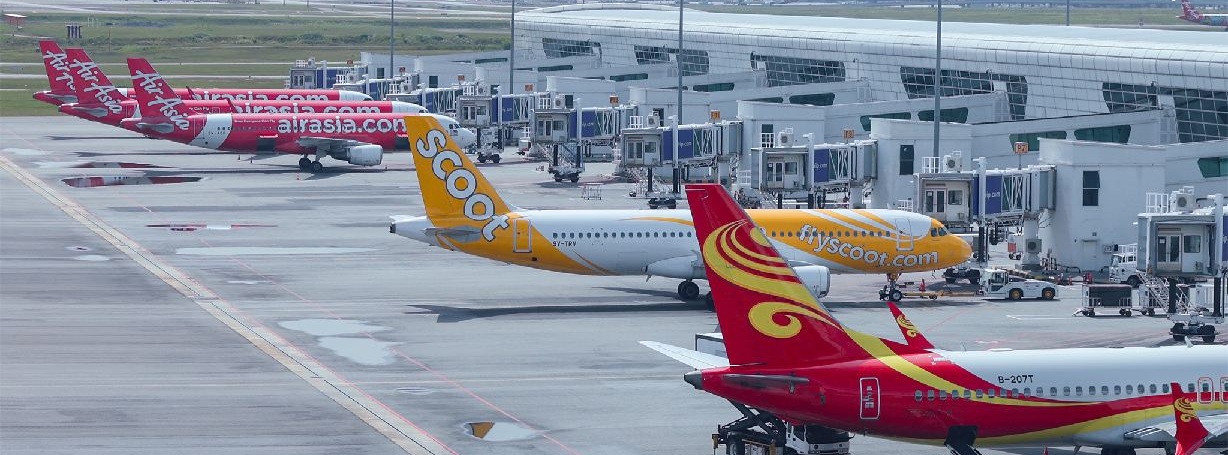
In less than 18 months, the aviation sector’s carbon offsetting scheme CORSIA is set to enter mandatory offsetting for airlines in 130 countries. According to IATA, the aviation industry is expected to offset an estimated 200 million tonnes of carbon dioxide, channelling $4-5 billion into carbon markets. This comes at a critical time, as the offsetting industry continues to recover from recent integrity crises. CORSIA was meant to drive a reset through more stringent standards. The aviation model was also expected to provide a blueprint for the maritime industry, as a harmonised mechanism to decarbonise cross border emissions. Yet, so close to kick-off, CORSIA finds itself at a crossroads, facing the biggest challenges to its viability since its conception. Surprisingly, these hurdles are being erected by the same governments that were instrumental in creating the scheme and fleshing it out over the last decade, writes AirAsia’s Yap Mun Ching.
Twelve opens AirPlant One, America’s first commercial-scale eSAF facility
11 June 2026
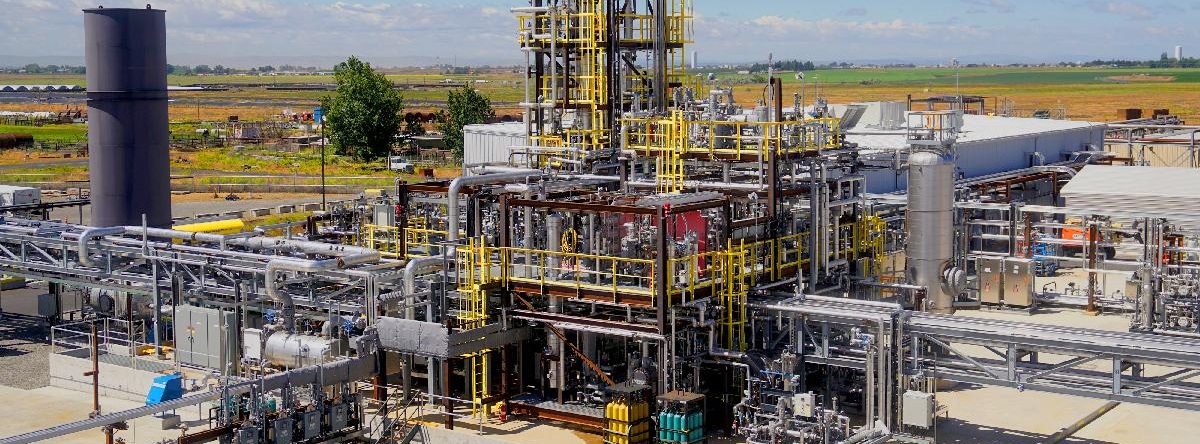
Power-to-liquid technology company Twelve has opened its AirPlant One facility in Moses Lake, Washington, the first in the United States to produce drop-in sustainable aviation fuel at scale from the conversion of CO2 and renewable electricity. The ribbon-cutting was attended by partners Alaska Airlines and Microsoft. The airline intends operating regular domestic flights with Twelve’s E-Jet fuel, with Microsoft supporting the scale-up of AirPlant One through a strategic investment from its Climate Innovation Fund. The deal with Microsoft also includes a SAF offtake agreement that uses a book-and-claim accounting model pioneered alongside Alaska Airlines that will allow Microsoft to reduce reported emissions associated with its business travel.
EasyJet and Schiphol Airport deploy electric TaxiBot for Airbus taxiing operations
10 June 2026
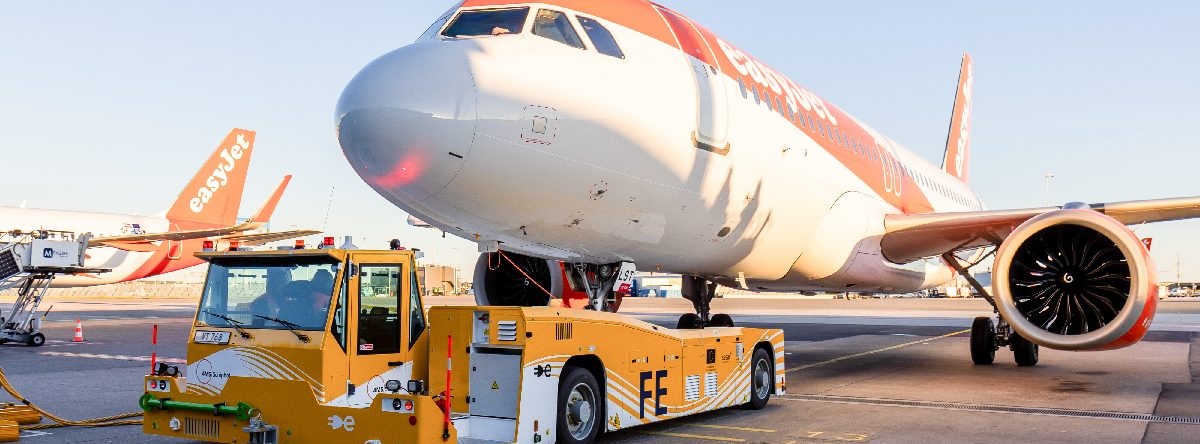
Following a trial earlier this year, easyJet and Amsterdam Schiphol Airport have begun deploying electric TaxiBot technology for Airbus aircraft operations at the airport. TaxiBot is a semi-robotic aircraft tractor that enables aircraft to taxi between the gate and runway without using their main jet engines. The low-cost carrier estimates the technology will save an average 95kg of fuel and 299kg of CO2 per flight, while also reducing apron noise. Four easyJet Airbus aircraft are being equipped for TaxiBot operations at Schiphol, with the two partners collaborating with Airbus, Menzies Aviation and Smart Airport Systems. The airport has ambitions to achieve fully sustainable taxiing operations by 2030 and is the first in Europe to deploy electric TaxiBot technology for Airbus aircraft.
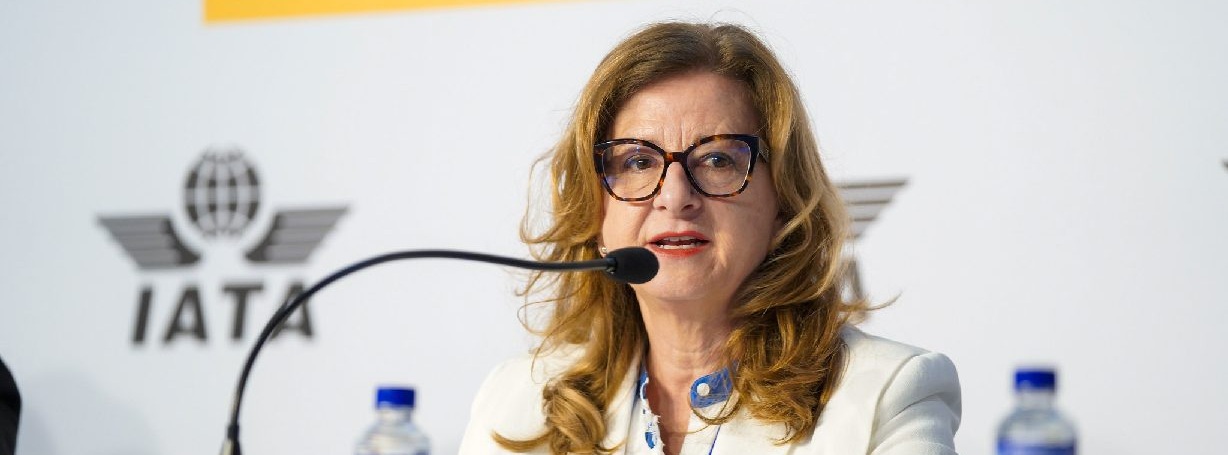
Airlines and the carbon market form alliance to unlock supply of CORSIA-eligible credits
9 June 2026
IATA has launched a stakeholder alliance of airlines and carbon market specialists to boost the availability of 225-250 million CORSIA-eligible carbon credits, called Eligible Emissions Units (EEUs), by Spring 2027. The Supporting Alliance for CORSIA EEU Supply is aiming to help facilitate and enable countries’ management of the interface between their Nationally Determined Contributions under the UNFCCC and the Letter of Authorization process required to make carbon credits available for use under CORSIA. IATA estimates the ICAO carbon scheme could generate $4-5 billion of climate finance in the first phase of the scheme (2024-26) and potentially $100 billion by 2035, depending on market prices. Meanwhile, carbon market data analysts Sylvera reports around 640 million tonnes of credits are potentially eligible for the first phase but only 47 million tonnes satisfy requirements due to a failure by host countries to authorise credits.
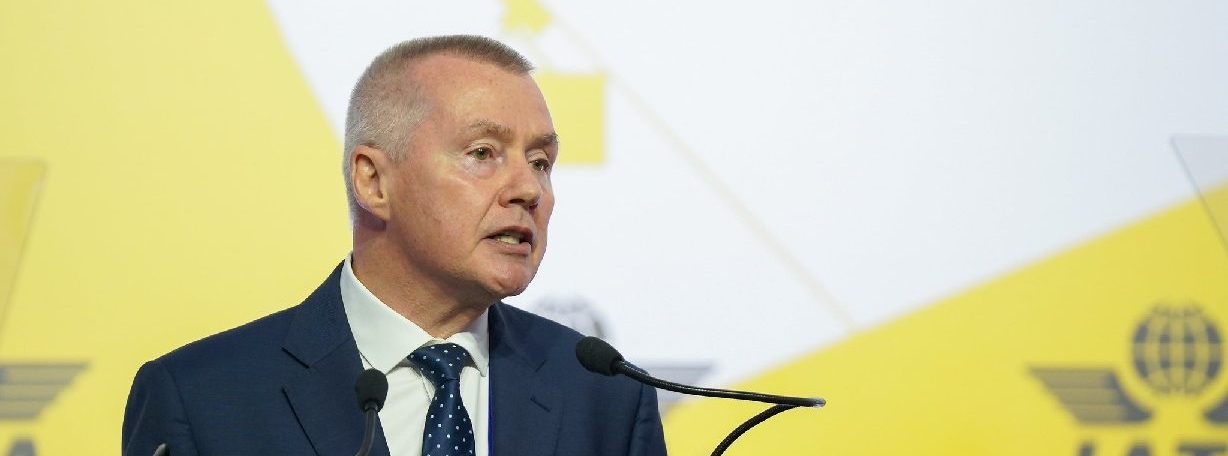
Hope fading fast for industry net zero by 2050 target as SAF growth slows, says IATA chief
8 June 2026
In his final speech as Director General of industry trade body IATA, Willie Walsh said although there was hope the aviation sector’s net zero by 2050 target could still be achieved, that hope was “fading fast”. He hinted a new timeline would be a likely outcome that would be more realistic and would be within the broader context of the global energy transition, and he called for an urgent “action oriented” dialogue. SAF production this year was likely to cover only 0.8% of airline fuel needs, around 2.4 million tonnes, up from 0.6% in 2025, and the gap with the 65%, or 500 million tonnes, required to meet net zero 2050 was not closing fast enough, he said. SAF mandates in the EU and UK were a “spectacular failure”, he added, and accused the EU of undermining ICAO’s CORSIA carbon scheme, which he suggested could likely fail.
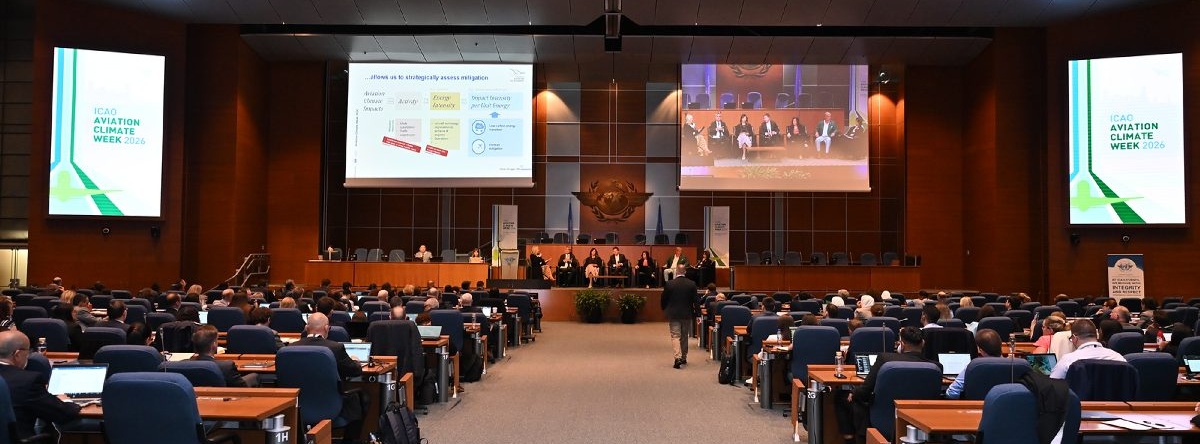
We must demonstrate progress is being made towards achieving climate goals, says ICAO chief
3 June 2026
Immediate, harmonised and inclusive global action is required to demonstrate progress is accelerating towards climate goals and that net zero carbon emissions from international civil aviation will be achieved by 2050, said ICAO Council President Toshiyuki Onuma at the opening of ICAO Aviation Climate Week in Montreal. This will require deepening global commitment to drive advances in technology and policy, financial support where needed, and increased investment and stronger implementation by all States, he added. The meeting brings together industry and government representatives to discuss the sector’s most serious challenges, such as scaling cleaner aviation fuels, financing the net zero transition and implementation of ICAO’s CORSIA carbon scheme. On the first day, ICAO and airline trade body IATA announced enhanced cooperation on tracking progress and accelerating development and deployment of sustainable aviation fuels.

Syntholene prepares to start operations of its geothermal eSAF demo facility
3 June 2026
Chicago-based Syntholene says it is about to complete construction in Húsavik, Iceland, of a geothermally-integrated, high-temperature electrolysis demonstration facility for synthetic fuel production. The company is seeking to commercialise its proprietary Hybrid Thermal Production System for low-cost, clean-fuel synthesis, with a target to produce “ultrapure” synthetic jet fuel at 70% lower cost than today’s nearest competing technology. Once operations commence at the facility, Syntholene expects effects testing and real-world data gathering to begin shortly thereafter, with initial efficiency and techno-economic data targeted for publication in Q4 2026. The company says it has received interest from Icelandair to supply the airline with 20,000 tonnes of fuel annually over 10 years.
COMMENTARY: Brazil reaches a crossroads on CORSIA and the carbon markets
1 June 2026
Brazil is a major emerging economy that has yet to sign up to the compliance phase of UN agency ICAO’s carbon scheme, CORSIA. And yet the country, rich in natural resources and a leading environmental power, has the potential to play an important role in Article 6 carbon markets and to supply airlines with much-needed eligible credits to meet their obligations under CORSIA. International legal expert and former Brazilian foreign trade minister Welber Barral argues that by not joining the evolving global scheme, as imperfect as it is, Brazil risks becoming a rule-taker rather than a rule-maker. He calls for clear CORSIA participation, credible authorisation procedures and a domestic carbon market framework capable of supplying units that meet both ICAO and, where needed, EU expectations.


More News & Features
Flying off into the sunset
News Roundup September 2026
Synthetic aviation fuel projects advance in Europe, Africa, US and China
Global aviation’s gross emissions to rise 87% by 2050 despite efficiency gains, forecasts IBA
Air France shares results of large-scale North Atlantic contrail avoidance trial
Over €400m in free EU ETS allowances given to airlines in 2025 to support SAF uptake